
Middle East
Iran’s supreme leader faces uncertain future
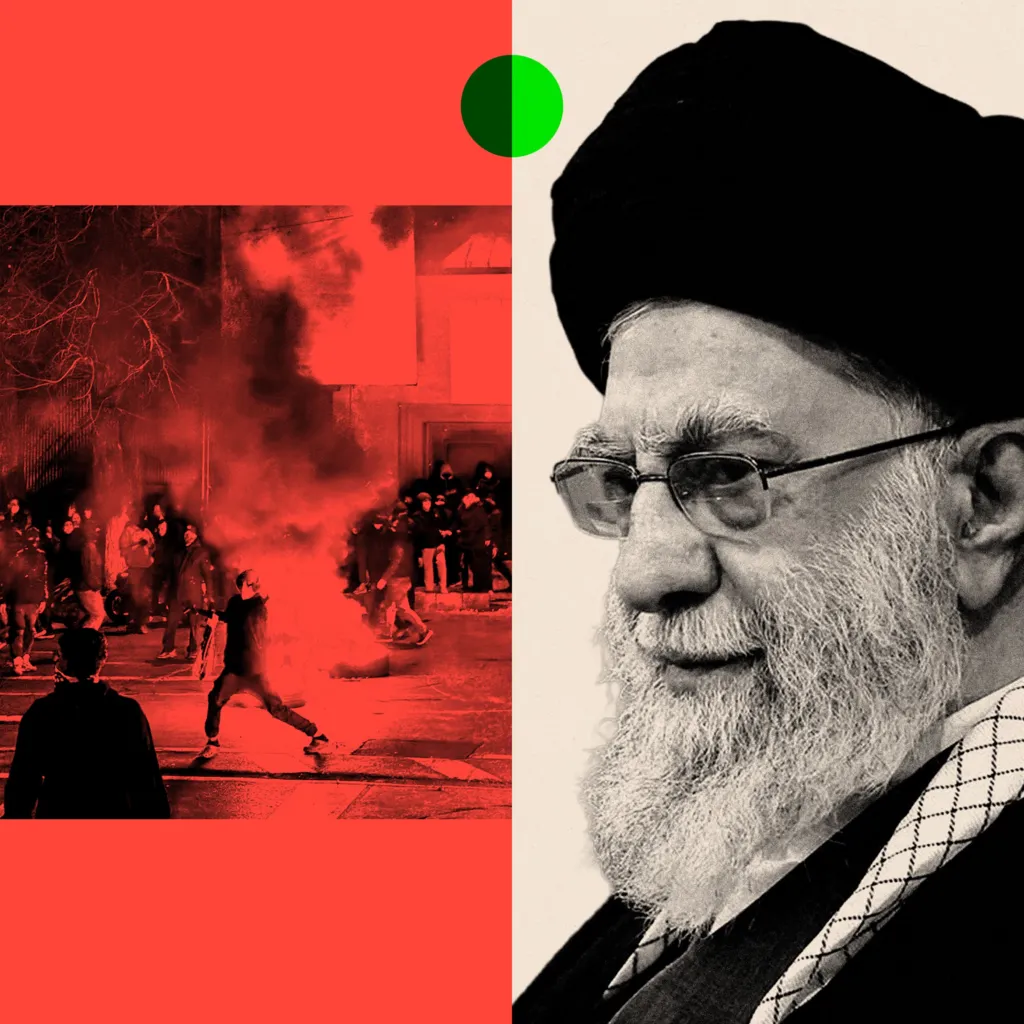
Ayatollah Khamenei may believe it is necessary to continue with a firm approach, notwithstanding the violent events of the past few weeks.
Ayatollah Ali Khamenei, Iran's supreme leader, is currently in hiding, aware that his safety is at risk. For the time being, he will have to forgo outdoor activities.
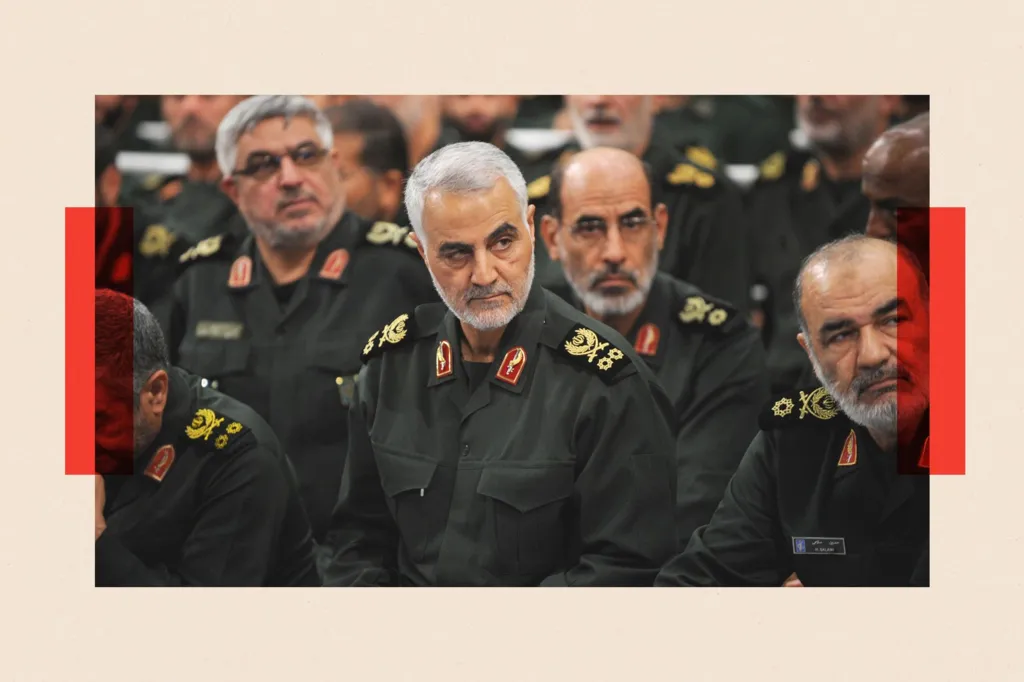
In addressing potential US actions to support Iranian protesters, President Trump has referenced Qassem Soleimani and Abu Bakr al-Baghdadi, two notable figures.
On January 3, 2020, a US drone strike near Baghdad International Airport killed Soleimani, a key Iranian military strategist in the Middle East, under President Trump's orders. Earlier, on October 27, 2019, al-Baghdadi, the leader of the Islamic State, died after detonating a suicide vest during a US raid on his hideout in northern Syria, which was authorized by the president.
Ayatollah Khamenei must also consider the circumstances surrounding the death of Hassan Nasrallah, the leader of Hezbollah.
Nasrallah was killed in an Israeli air raid on September 27, 2024, while meeting with senior officials in a bunker 60 feet beneath a Beirut high-rise, highlighting the vulnerability of even heavily fortified locations.
The recent daring operation by US forces in Caracas, targeting President Nicholas Maduro in Venezuela, is likely to be a significant concern for the Ayatollah.
The potential consequences of the Iranian leader's removal from power on the ongoing protests in Iran and the future of the Islamic Republic remain uncertain, should such a scenario unfold.
As President Trump considers his next steps, the situation poses a significant challenge to the Supreme Leader and his government.
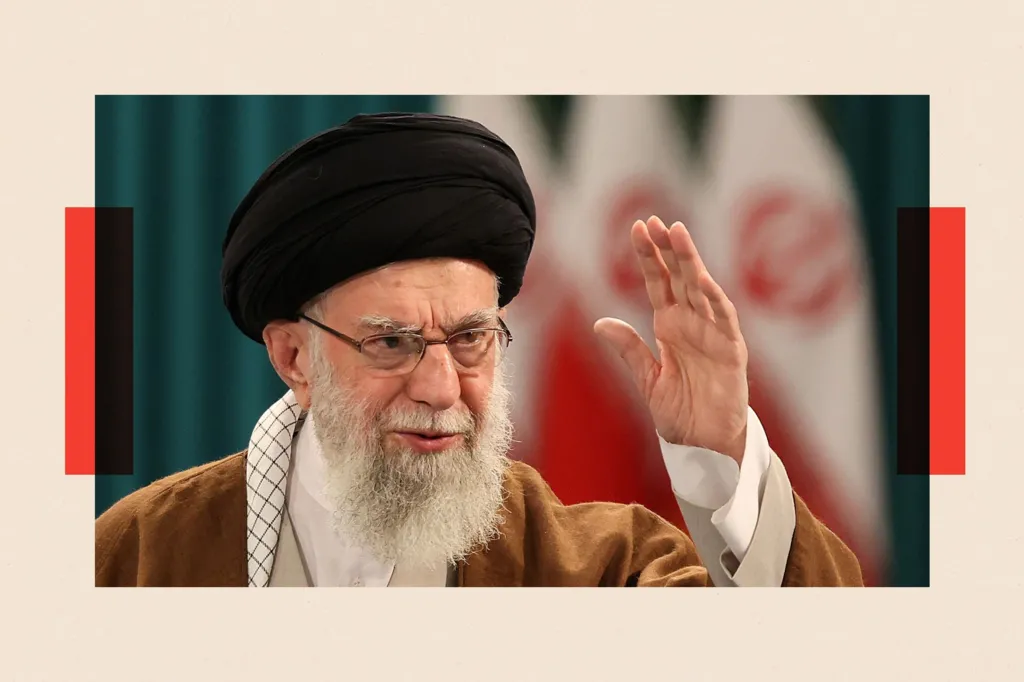
Ayatollah Khamenei, 86, has faced widespread discontent among Iranians, who have long viewed him unfavorably.
Protests have erupted across the country for years, with demonstrators calling for an end to the Ayatollah's rule, citing his regime's highly repressive policies and poor governance.
Throughout his 36-year tenure, marked by a strict adherence to Islamic principles, he has adopted a steadfast stance against the United States and Western nations, concurrently forging alliances with Russia and China to ensure the regime's survival. A key aspect of his policy has been the pursuit of nuclear development, which has resulted in the imposition of severe international sanctions, second only to those imposed on Russia, thereby exacerbating the country's economic struggles.
The regional dynamics have been significantly impacted by his attempts to exert influence in the Middle East, leading to widespread instability. Notably, his vocal calls for the dismantling of Israel have precipitated conflicts with the nation.
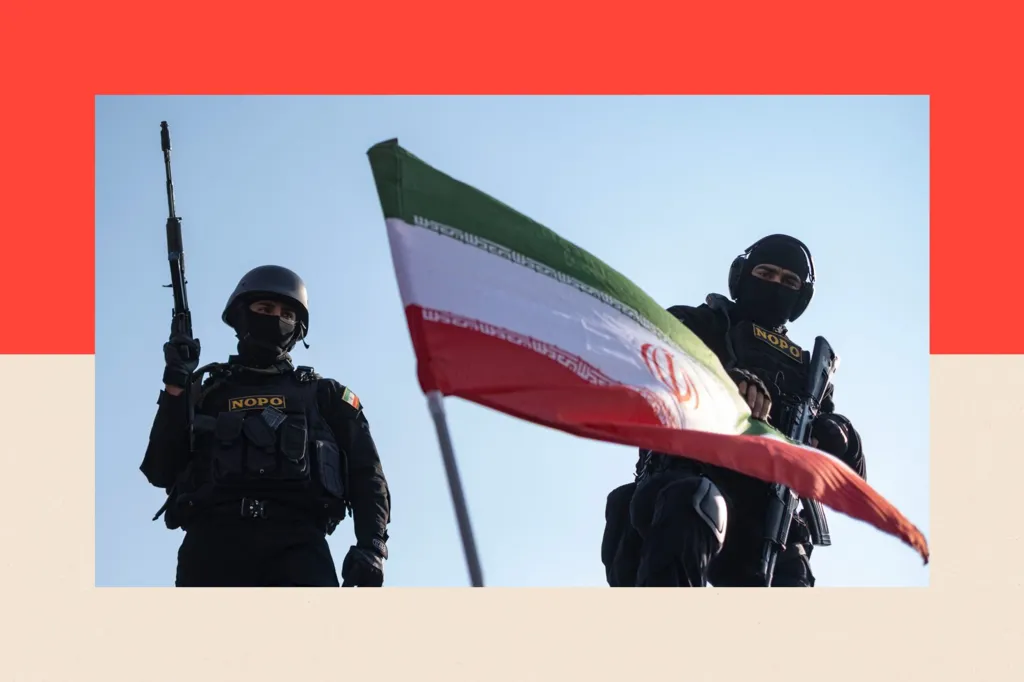
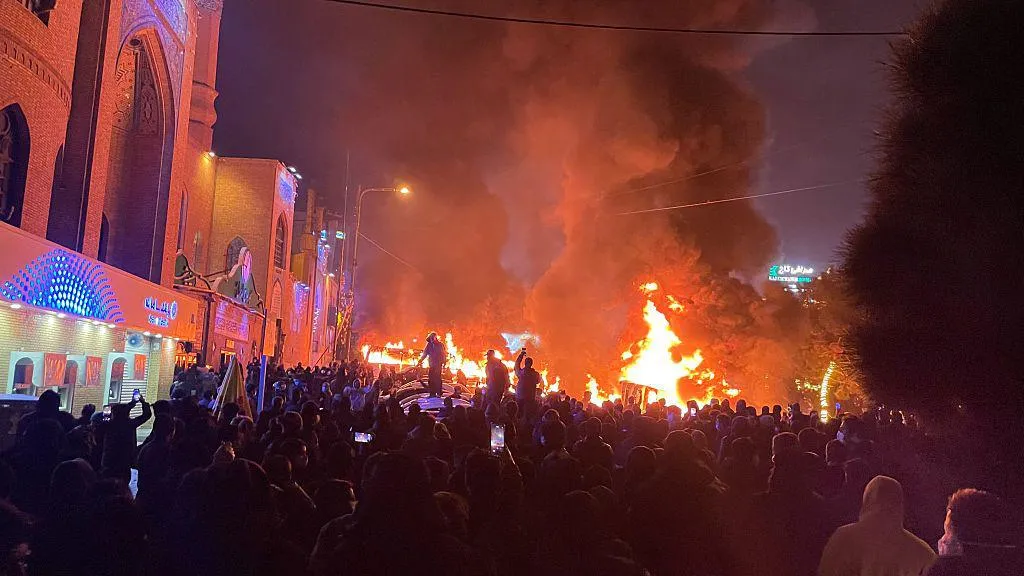
In response to recent protests, Ayatollah Khamenei has reportedly authorized the security apparatus to employ lethal force against demonstrators, effectively granting them carte blanche to quell the unrest.
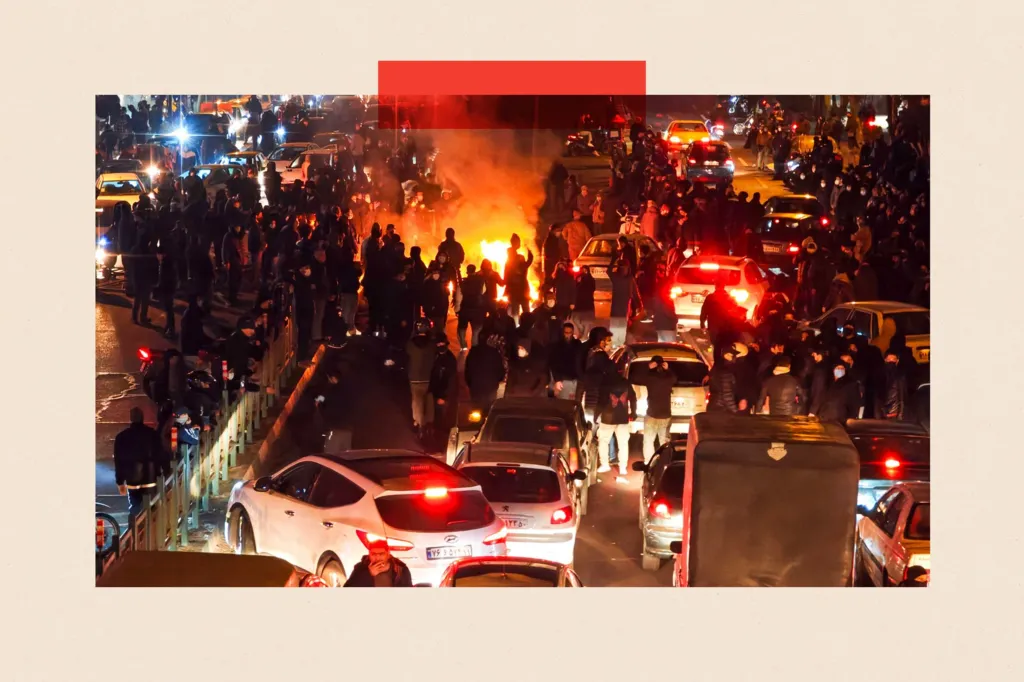
The Iranian government's decision to suspend internet services has hindered efforts to accurately assess the scope of the violence, but estimates suggest that thousands of protesters have been killed by security forces, with the bloodshed extending beyond urban centers to rural villages, underscoring the protests' widespread nature.
The potential removal of the leader, whether through targeted military action or a specialized operation, could potentially trigger a shift in the regime's hierarchy, potentially paving the way for a reevaluation of the country's policies and future trajectory.
The outcome of a potential power shift is uncertain, with possible scenarios including chaos, lawlessness, or an attempt by the Revolutionary Guard to establish control and impose military rule.
According to Arash Azizi, a lecturer at Yale University and author of What Iranians Want, some individuals within the regime might view the potential removal of Ayatollah Khamenei as an opportunity for change.
Azizi suggests that a substantial segment of Iran's ruling elite is open to reform, which could involve dismantling key institutions and policies of the Islamic Republic, as well as potentially removing Khamenei from power.
This faction might even see US military action as a catalyst for accelerating the transformation process, Azizi notes.
Mohammad-Bagher Ghalibaf, the 64-year-old speaker of the Iranian parliament, has a background in the Revolutionary Guard and is known for his authoritarian tendencies, although he has transitioned to civilian attire and has been a vocal supporter of the current regime.
Ayatollah Khamenei's trust in him was limited, as those close to the regime viewed him with suspicion, perceiving him as a potential threat waiting for an opportune moment to strike.
Alternatively, more moderate voices within the regime may emerge as contenders for leadership positions.
A potential candidate who has been building support among moderate Islamists and reformists is former President Hassan Rouhani, who has been preparing for a possible vacancy at the top.
According to Ali Ansari, the founding director of the Institute of Iranian Studies at the University of St Andrews, the reformist movement holds little significance.
As Ali Ansari puts it, "reformists are essentially non-existent, serving only as a facade; they have been thoroughly pushed to the sidelines."
The social hierarchy in Iran can be broadly categorized into two groups: those in power and those being governed.
Amidst the unrest in Iranian towns and cities, a notable name has emerged – Crown Prince Reza Pahlavi, the 65-year-old son of the former Shah of Iran, who has spent most of his life in exile in Washington.
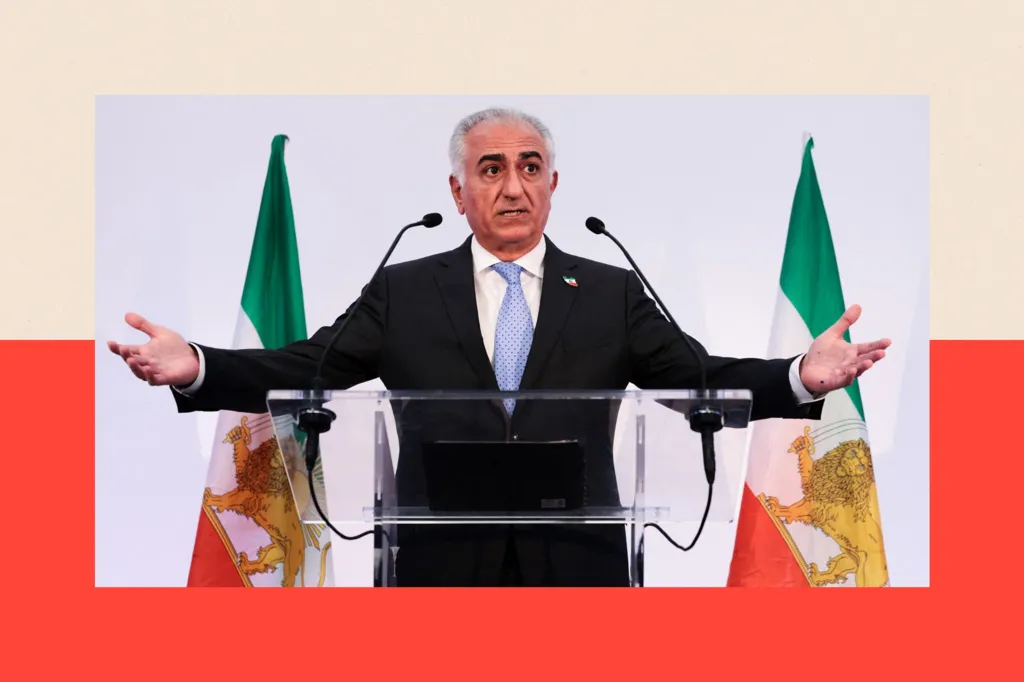
Reza Pahlavi's popularity has been on the rise in Iran in recent years, with many Iranians nostalgic for the era of his father's rule, particularly the 1970s, when the country experienced relative prosperity, as long as citizens avoided discussing politics.
However, Reza Pahlavi is a polarizing figure, and his ability to unify the opposition has been called into question. Despite his claims of widespread support, he has struggled to bring the Iranian opposition abroad under a single umbrella, instead choosing to forge his own path.
Even if Reza Pahlavi were the preferred leader among Iranians, his path to power is fraught with challenges. Lacking a robust organizational network within Iran, he faces significant obstacles in orchestrating a successful transition to leadership.
The unexpected appeal of a certain individual among Iranian protesters during the recent unrest can be attributed to his perceived status as a lone challenger to the current regime, which is widely disliked.
Protesters may be drawn to a figure who lacks any ties to the existing regime and is open to improving relations with Western nations.
According to Dr Sanam Vakil, who heads the Middle East and North Africa Programme at Chatham House, the current protests are driven by a broader desire for change, making it difficult to find common ground with the demonstrators.
Dr Vakil notes that the protests aim to bring about a fundamental shift in Iran's governance, moving away from the individuals and system that have been in power for nearly 50 years.
With ample time for reflection, Ayatollah Khamenei may be reassessing the events of the past three weeks, considering how the current situation unfolded and his own role in it.
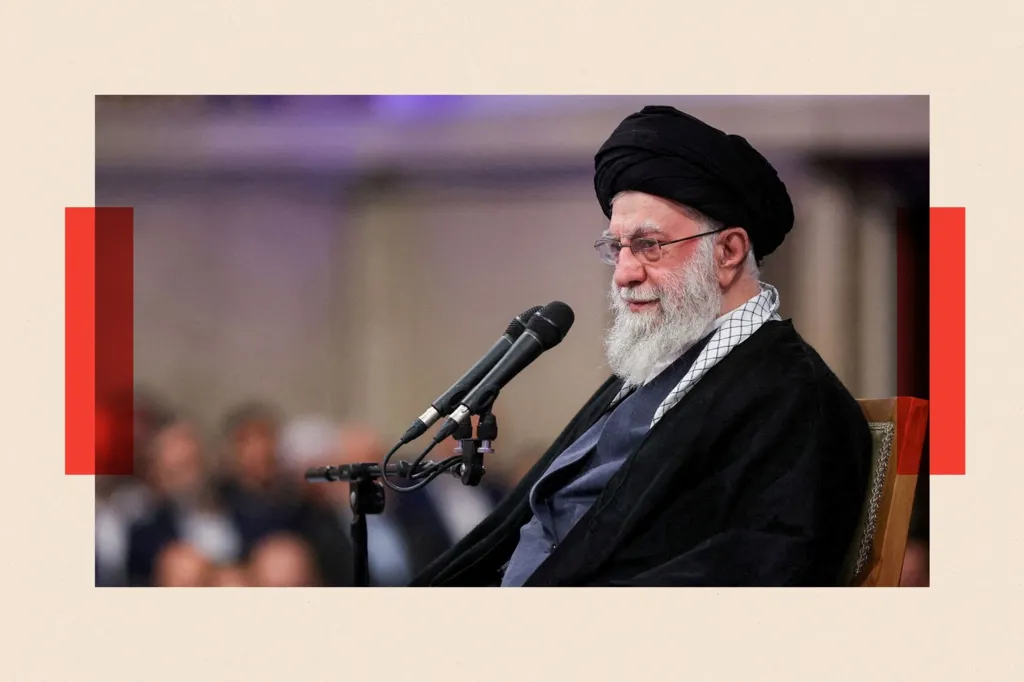
The regime's loyalty to its leader remains intact, with no notable instances of dissent or disloyalty emerging within the Revolutionary Guard, the entity established to protect the regime.
President Trump's statements suggest that potential US strikes on Revolutionary Guard and security force bases could lead to their weakening and fragmentation, potentially creating an opportunity for protesters to mobilize in larger numbers and challenge the regime.
President Trump has urged protesters to continue their demonstrations and occupation of government buildings, assuring them that "help is on its way."
The protesters, who had largely retreated from the streets due to the security forces' willingness to use lethal force, may regain confidence and re-emerge in response to President Trump's encouragement.
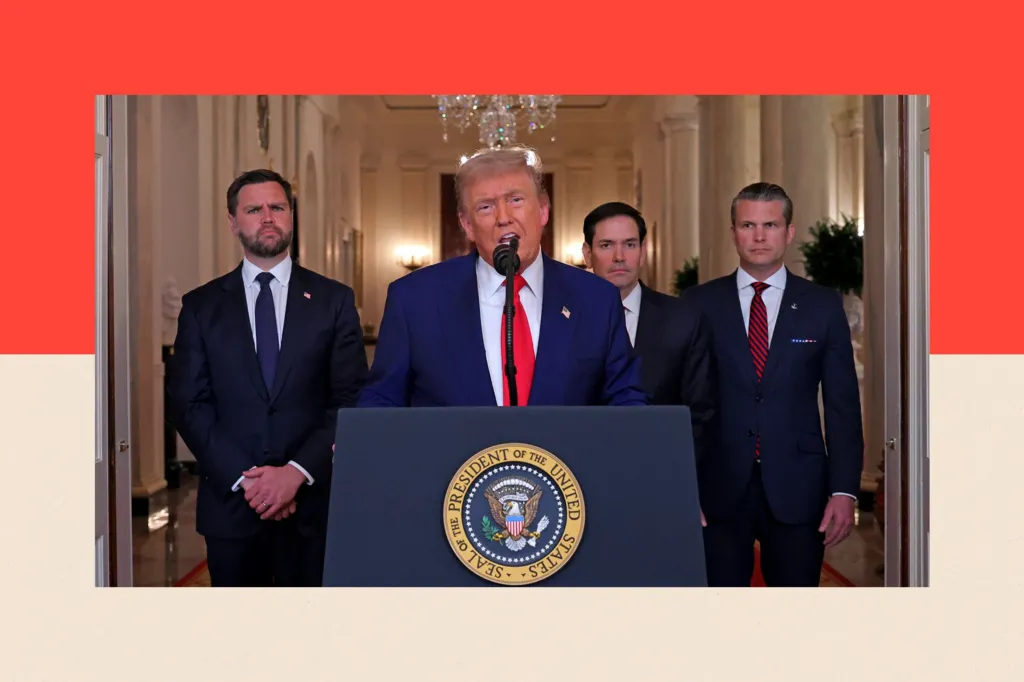
A growing number of protesters now appear to believe that external intervention is necessary to bring an end to the current regime.
Despite the uncertainty of receiving support, Iranians are aware that they will likely take to the streets again, having gained valuable experience from their recent protest movements.
Over the past 16 years, Iranians have repeatedly demonstrated against Ayatollah Khamenei's regime, showcasing their ongoing dissatisfaction.
The most recent uprising occurred in 2022, sparked by the death of Mahsa Amini, a young woman who died in police custody after being detained for allegedly failing to wear her hijab correctly.
The subsequent protests, which rallied under the slogan "Woman, Life, Freedom," swept across the country and persisted for several weeks before being suppressed by the security forces' excessive use of force.
The catalyst for the previous wave of protests was the intense pressure on women from Islamist groups, which ultimately led many to conclude that the situation had become unbearable and prompted them to take action.
Economic concerns, particularly the rising cost of staples like bread, have sparked the latest wave of protests. The devaluation of the rial has severely impacted traders, while many ordinary citizens struggle to make ends meet. The combination of international sanctions and alleged mismanagement has led to a rapid increase in poverty.
Iran is grappling with severe shortages of essential resources, including water, electricity, and gas, despite having the world's second-largest natural gas reserves. Years of neglect have resulted in significant environmental degradation, with potentially irreversible consequences.
The Supreme Leader has acknowledged the legitimacy of the grievances expressed by traders and shopkeepers who began protesting in late last month. These individuals had cited the rial's plummeting value as a major obstacle to conducting business.
According to the Ayatollah, government officials are working to address the issues, but he also attributed the problems to external factors, blaming the country's enemies for creating the challenges.
Ali Ansari notes that the lack of investment in critical infrastructure has had a devastating impact on Iran. He suggests that the regime's problems are deeply rooted and have been building over years, highlighting the need for structural reforms to address the country's ongoing challenges.
Economists within their own ranks acknowledge that the current struggles, such as the failure to provide basic utilities, are a result of inadequate infrastructure investment over the past 20 years, highlighting the need for long-term planning to address these issues.
Ayatollah Khamenei is aware that he lacks effective solutions to many problems, particularly the economic crisis, which is likely to worsen. Nevertheless, despite the recent turmoil, he may believe that this is not the time to show weakness and instead must continue to exert control.
Ayatollah Khamenei may see his rule as a divine opportunity to promote Islamic values and fulfill his religious obligations, driving his determination to lead the country.
The top image credits are attributed to AFP via Getty Images, WANA/Reuters, and Reuters/Handout/AFP via Getty Images.
Middle East
BBC reports from Tehran as Iran commemorates Islamic revolution anniversary
BBC correspondent Lyse Doucet has arrived in Iran, marking her first visit to the country since authorities suppressed widespread demonstrations against the government.
Iran's government has staged a display of strength to commemorate the 47th anniversary of the Islamic revolution, following a period of intense repression of anti-government demonstrations.
The BBC has gained access to Tehran for the first time since the authorities' crackdown on protests, which resulted in the deaths of at least 6,490 people, according to estimates by human rights activists.
Lyse Doucet, the BBC's chief international correspondent, observes that the capital's streets, adorned with festive decorations and filled with crowds of supporters, reflect the government's desired image of a unified nation, with Iranians demonstrating their allegiance to the Islamic Republic and its founding revolution.
Middle East
BBC reports from Tehran for the first time since the protest crackdown
In Iran, the aftermath of the government’s crackdown on protests remains a sensitive issue, with the effects of the unusually strong measures still being felt, according to Lyse Doucet, reporting from the country.
For the first time since a nationwide crackdown on anti-government demonstrations, a BBC team has entered Iran to report on the current situation.
As Iran commemorates the 47th anniversary of the Islamic Revolution, the streets of Tehran are adorned with festive decorations, yet the memory of the recent protests and the subsequent use of force by security personnel remains a sensitive issue.
According to human rights activists, the confirmed number of protester fatalities stands at a minimum of 6,400, although they caution that the actual death toll may ultimately be significantly higher.
Asia
Indonesia plans to deploy up to 8,000 troops to Gaza
As part of the second phase of the ceasefire agreement facilitated by the US in the previous year, this nation would become the first to take such action.
Indonesia is making preparations to deploy a contingent of up to 8,000 soldiers to Gaza, marking the first such commitment under the second phase of a ceasefire agreement facilitated by the United States towards the end of last year.
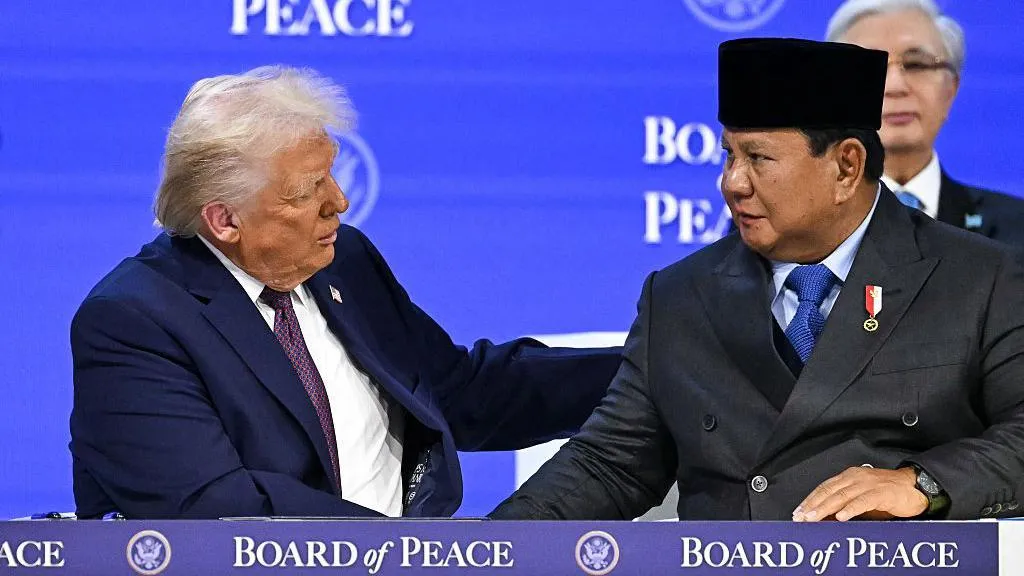
According to General Maruli Simanjuntak, the army's chief of staff, training for these troops is already underway, with a focus on providing medical and engineering support in Gaza.
Indonesia has recently joined the Board of Peace initiated by President Donald Trump, an announcement that was made last month.
The United Nations Security Council has given Indonesia a mandate to establish an International Stabilization Force, tasked with securing border areas in Gaza and overseeing the demilitarization of the territory, including the disarmament of Hamas.
The Board of Peace, scheduled to convene for the first time in Washington on February 19, will also play a role in overseeing the establishment of a new technocratic government in Gaza and guiding post-conflict reconstruction efforts.
While the specifics of the Indonesian troop deployment, including timing and role, have yet to be finalized, it appears that President Prabowo Subianto is moving forward with the plan.
President Subianto's decision to participate in Trump's Board of Peace has drawn criticism from certain Islamic groups within Indonesia, where there is significant public discontent regarding the US role in Israel's military actions in Gaza.
President Subianto has countered that, as the world's most populous Muslim nation, Indonesia has a responsibility to contribute to stabilizing Gaza, with the ultimate goal of achieving a two-state solution to the Israeli-Palestinian conflict.
A report by Israel's public broadcaster Kan indicates that a location in southern Gaza, situated between Rafah and Khan Younis, has been designated for the Indonesian army to construct barracks that will accommodate several thousand troops.
Other Muslim countries, including Turkey and Pakistan, are considering troop deployments as well, but have emphasized that their roles would be limited to peacekeeping and would not involve participation in the planned disarmament of Hamas.
However, given Hamas's refusal to disarm as long as Israel maintains its presence in parts of Gaza, a lasting peace that an international force could support has yet to be achieved.
-
 News10 hours ago
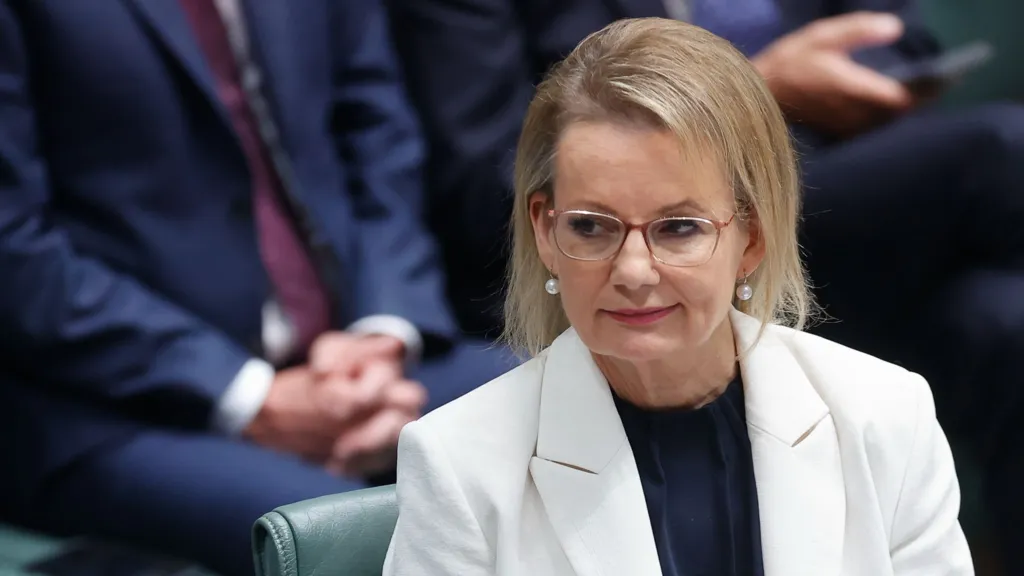
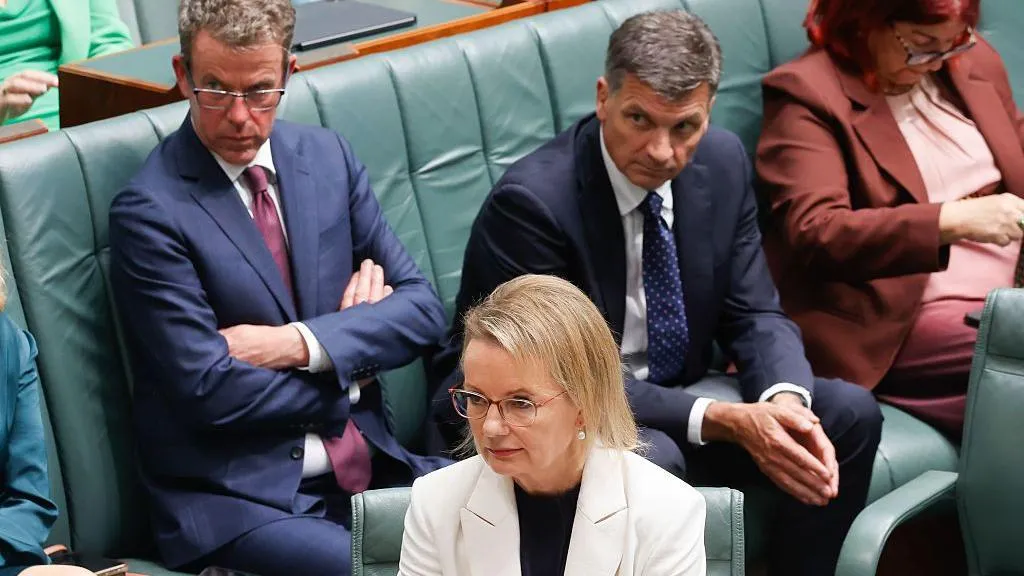
Australian Politics Faces Questions Over Gender Equality Amid Sussan Ley’s Appointment
-
 News7 hours ago
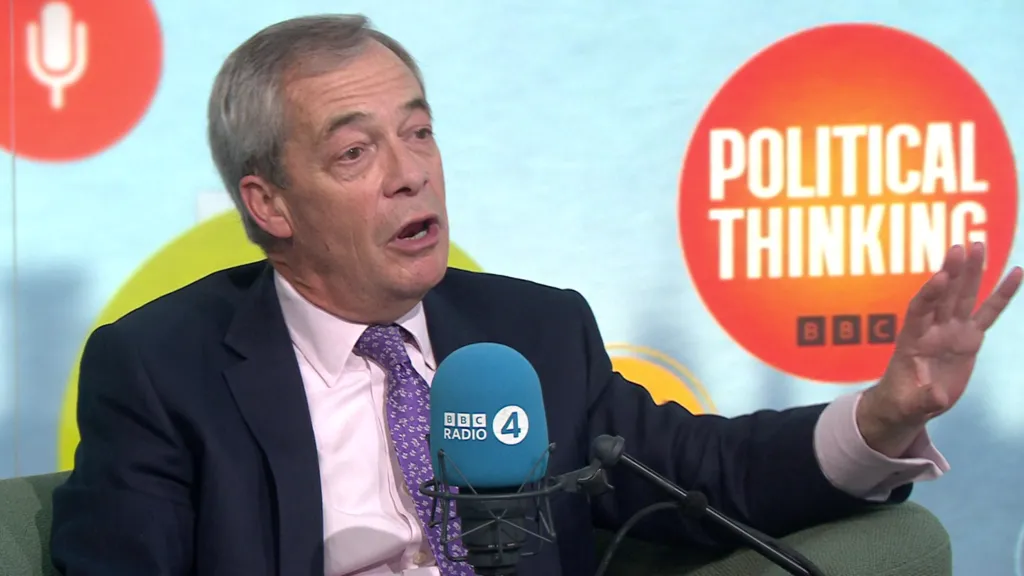
Farage Says Reform to Replace Traditional Tory Party
-
 News7 hours ago
Wrexham Pair Seek Win Against Former Team Ipswich
-
 News12 hours ago
Liberal Party Removes Australia’s First Female Leader
-
 News10 hours ago
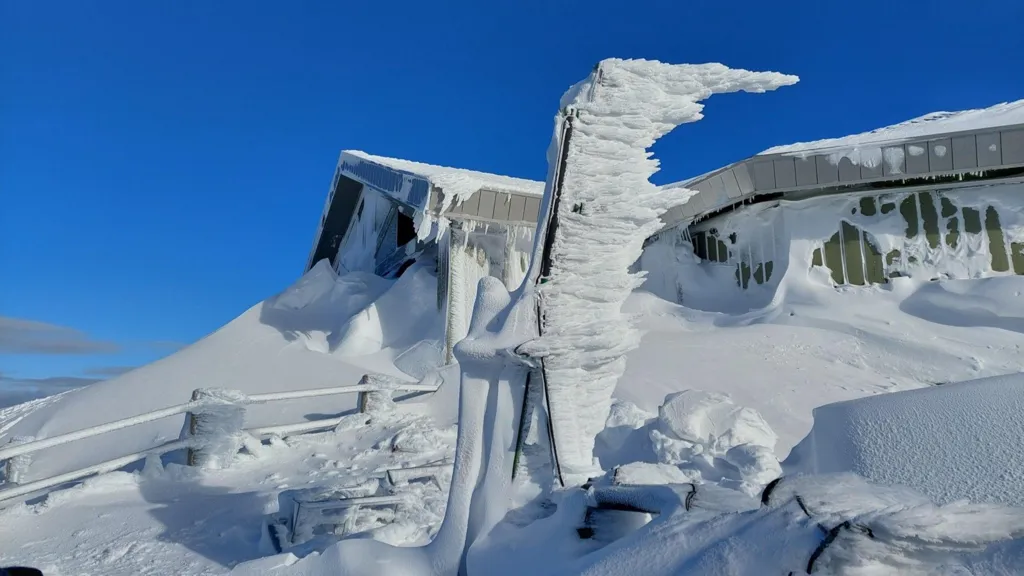
UK Braces for Cold Snap with Snow and Ice Alerts Expected
-
 News7 hours ago
Husband’s alleged £600k theft for sex and antiques blamed on drug side effects
-
 News2 days ago
Sunbed ads spreading harmful misinformation to young people
-
 Business13 hours ago
BBC Reporter Exposed to Cyber Attack Due to Vulnerabilities in AI Coding Tool