
Middle East
Kurdish-led forces withdrawn from Syria’s Sharaa region
A significant shift in territorial control has occurred in northeastern Syria with the withdrawal of the Syrian Democratic Forces, representing the most substantial change in the region since the loss of power by Bashar al-Assad.
Syria's President Ahmed al-Sharaa has achieved notable progress in his bid to reunify the country, having regained control of substantial territories in the northeast that were previously held by a Kurdish-led militia alliance for over a decade. The government's next steps will be crucial in asserting its authority over the entire nation.
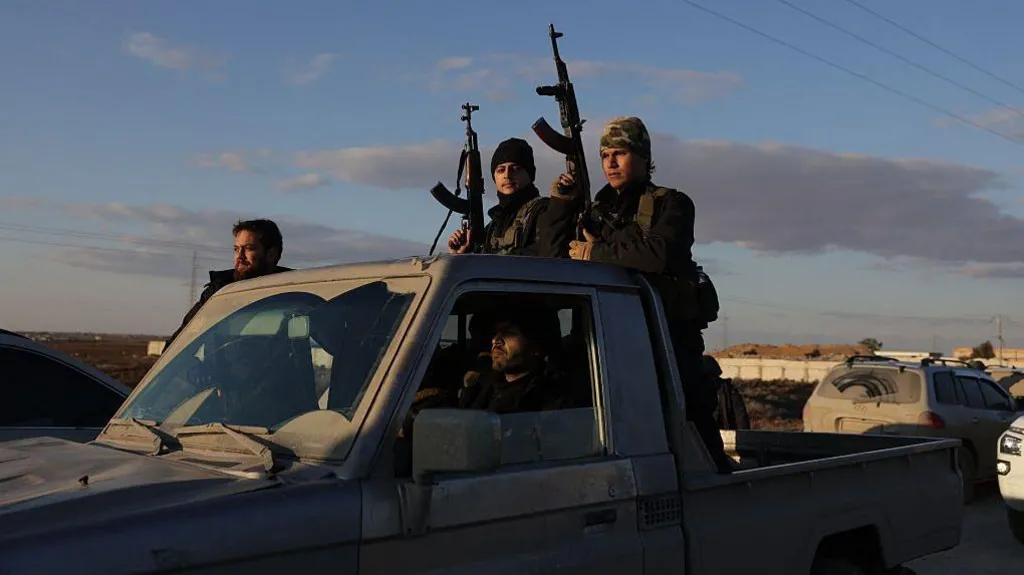
The recent government offensive against the Syrian Democratic Forces (SDF) has resulted in the most significant shift in control within Syria since the Islamist-led rebels ousted Bashar al-Assad in December 2024, marking the end of the 13-year civil war. Prior to this month's military push, the Kurds controlled nearly a third of Syria's territory, having received American support for their role in defeating the Islamic State (IS) alongside a US-led coalition. The Kurds had established a self-governing enclave with its own institutions, with the SDF serving as its military wing.
The government's military campaign was launched amidst stalled discussions between President al-Sharaa's administration and the SDF regarding the integration of SDF forces into Syria's institutions. Although an agreement was signed last March, the year-end deadline for implementation passed with little progress, as the SDF remained hesitant to relinquish its autonomy. According to analysts, the militia alliance appears to have miscalculated in its negotiations with the government, seemingly believing it would maintain the support of its long-time ally.
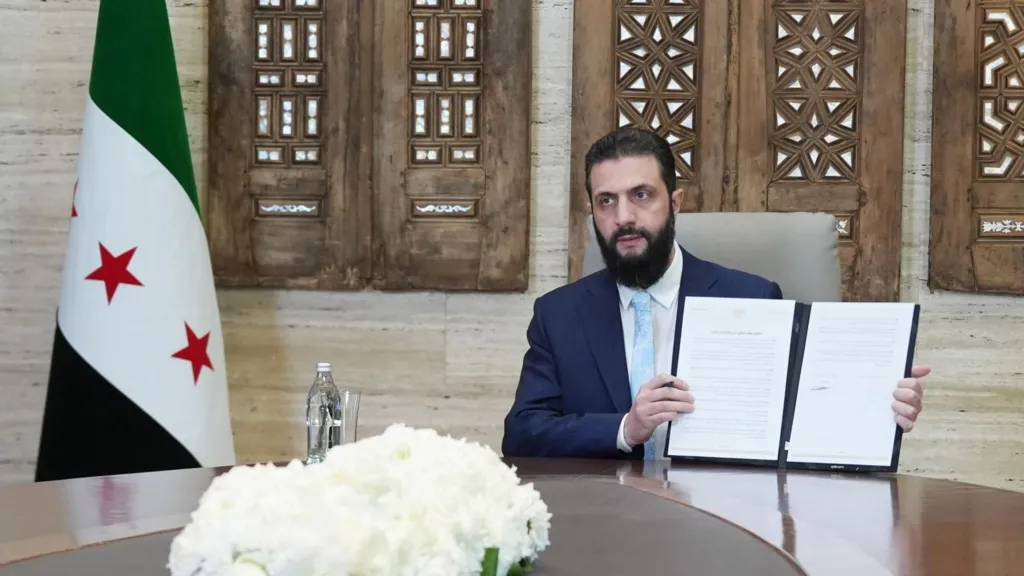
The United States, under President Donald Trump, has provided strong backing to President al-Sharaa, who has advocated for a unified Syria under Damascus' control. Last year, Trump hosted al-Sharaa at the White House and lifted the severe sanctions imposed on Syria during the Assad era. When al-Sharaa's forces initiated their military campaign, there was no apparent objection from the US.
Following significant territorial losses, the SDF agreed to a 14-point deal on Sunday, which reversed most of the concessions it had secured from the government in previous negotiations. Notably, SDF members are expected to integrate into the Syrian army and interior ministry as individual personnel, rather than as separate units, as they had previously demanded. Additionally, control of oil and gas fields, crucial for Syria's economic recovery, will be transferred to the government, while SDF-operated prisons and camps holding thousands of IS detainees and family members will also come under Damascus' control.
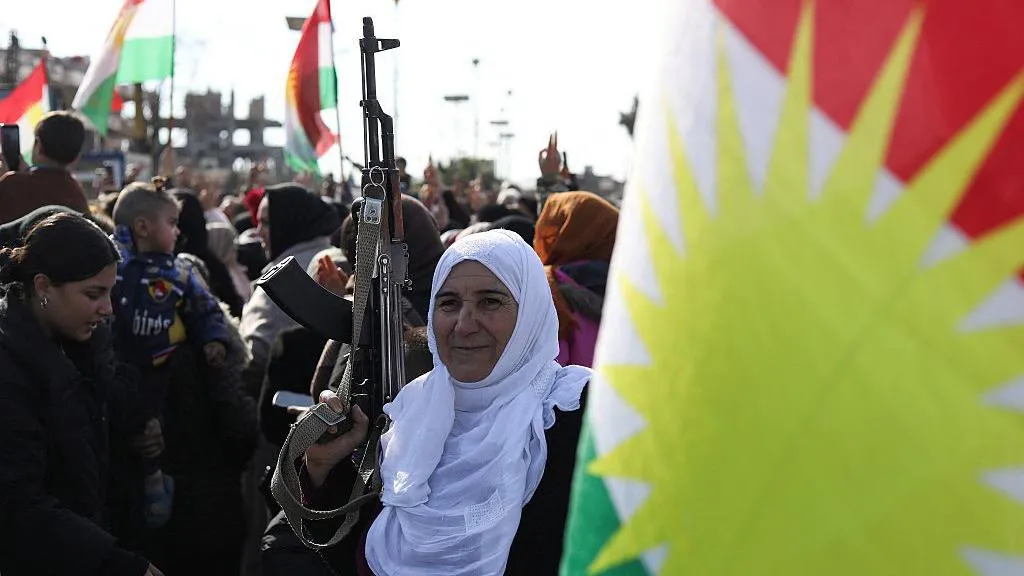
In a bid to extend an olive branch to the Kurdish community, Sharaa recently issued a decree that acknowledged Kurdish as a national language, granted Syrian nationality to stateless Kurds, and recognized Nowruz, the Persian new year, as a national holiday. This move came after decades of repression under the Assad regime, which had denied Kurds their basic rights.
Despite the decree, violence resumed, with government forces reclaiming primarily Arab areas where locals harbored grievances against the SDF. As troops advanced towards Kurdish-majority areas, the likelihood of violent clashes increased, reportedly drawing ire from Washington. In a sudden move, Sharaa's government declared a ceasefire on Tuesday, giving the SDF a four-day ultimatum to submit a plan for integrating areas under its control into the state, thereby halting the army's advance and temporarily easing tensions.
Since assuming power following the downfall of the Assad regime, Sharaa has consistently pledged to safeguard the rights of minority groups in Syria. However, the country has witnessed repeated outbreaks of sectarian violence, including last year's incidents involving government forces in the Alawite-dominated Mediterranean coast and the predominantly Druze province of Suweida. Kurds are now worried that they may face similar treatment, despite Sharaa's renewed assurances.
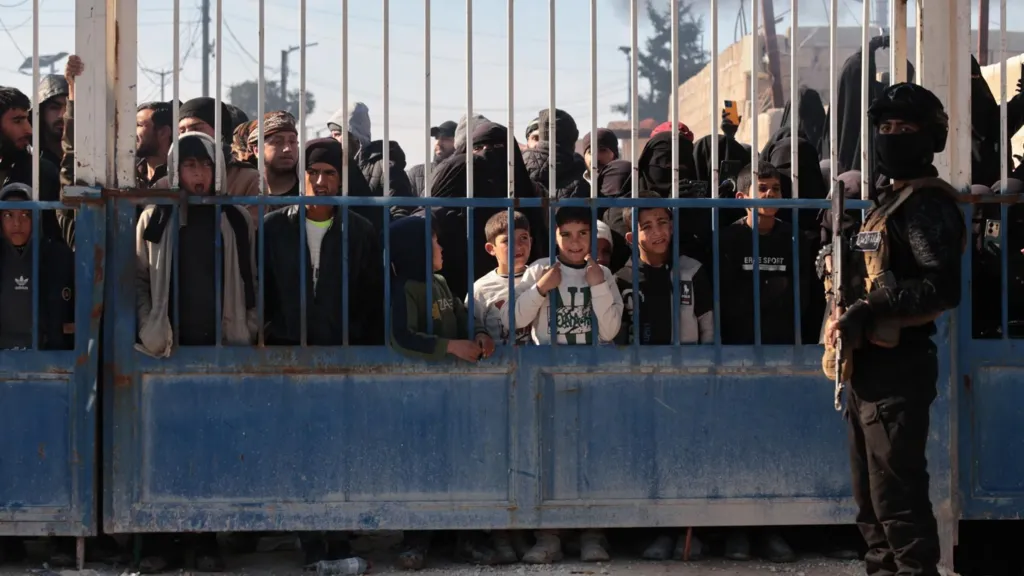
The recent developments have dealt a significant blow to Kurdish aspirations for autonomy, with many perceiving the US position as a betrayal. According to Tom Barrack, the US special envoy, the primary objective of the US-SDF partnership, which was to combat IS in Syria, has largely been achieved, and the best opportunity for Kurds now lies in transitioning under Sharaa's government, which Western nations view as the most viable means of ensuring Syria's stability.
The recent shifts in power are likely to bolster Sharaa's position but may also revive demands for decentralization, as critics argue that key positions have been reserved for his allies. Furthermore, these developments may indicate Sharaa's future plans for other regions, including those controlled by the Druze, who are seeking autonomy.
Middle East
BBC reports from Tehran as Iran commemorates Islamic revolution anniversary
BBC correspondent Lyse Doucet has arrived in Iran, marking her first visit to the country since authorities suppressed widespread demonstrations against the government.
Iran's government has staged a display of strength to commemorate the 47th anniversary of the Islamic revolution, following a period of intense repression of anti-government demonstrations.
The BBC has gained access to Tehran for the first time since the authorities' crackdown on protests, which resulted in the deaths of at least 6,490 people, according to estimates by human rights activists.
Lyse Doucet, the BBC's chief international correspondent, observes that the capital's streets, adorned with festive decorations and filled with crowds of supporters, reflect the government's desired image of a unified nation, with Iranians demonstrating their allegiance to the Islamic Republic and its founding revolution.
Middle East
BBC reports from Tehran for the first time since the protest crackdown
In Iran, the aftermath of the government’s crackdown on protests remains a sensitive issue, with the effects of the unusually strong measures still being felt, according to Lyse Doucet, reporting from the country.
For the first time since a nationwide crackdown on anti-government demonstrations, a BBC team has entered Iran to report on the current situation.
As Iran commemorates the 47th anniversary of the Islamic Revolution, the streets of Tehran are adorned with festive decorations, yet the memory of the recent protests and the subsequent use of force by security personnel remains a sensitive issue.
According to human rights activists, the confirmed number of protester fatalities stands at a minimum of 6,400, although they caution that the actual death toll may ultimately be significantly higher.
Asia
Indonesia plans to deploy up to 8,000 troops to Gaza
As part of the second phase of the ceasefire agreement facilitated by the US in the previous year, this nation would become the first to take such action.
Indonesia is making preparations to deploy a contingent of up to 8,000 soldiers to Gaza, marking the first such commitment under the second phase of a ceasefire agreement facilitated by the United States towards the end of last year.
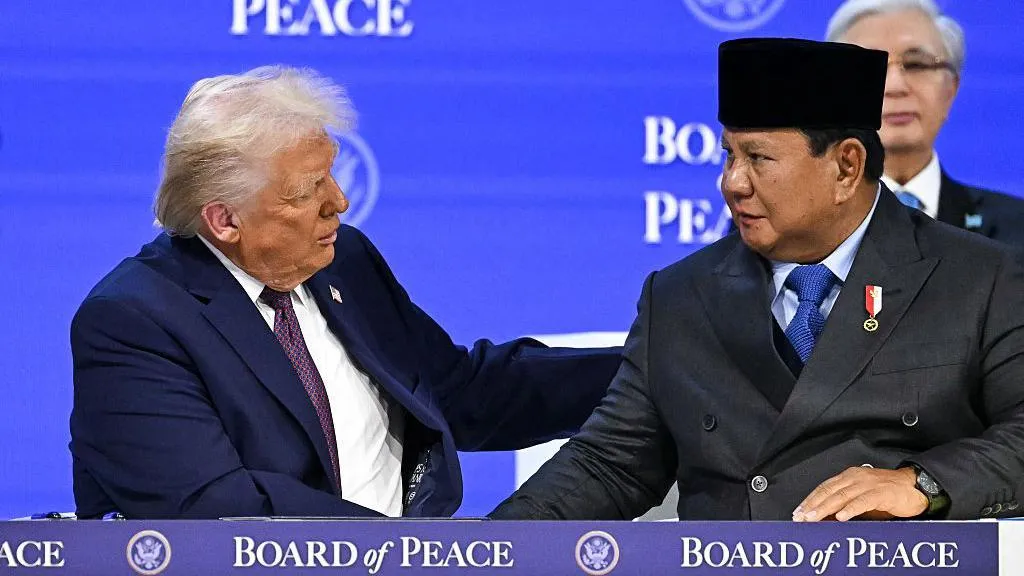
According to General Maruli Simanjuntak, the army's chief of staff, training for these troops is already underway, with a focus on providing medical and engineering support in Gaza.
Indonesia has recently joined the Board of Peace initiated by President Donald Trump, an announcement that was made last month.
The United Nations Security Council has given Indonesia a mandate to establish an International Stabilization Force, tasked with securing border areas in Gaza and overseeing the demilitarization of the territory, including the disarmament of Hamas.
The Board of Peace, scheduled to convene for the first time in Washington on February 19, will also play a role in overseeing the establishment of a new technocratic government in Gaza and guiding post-conflict reconstruction efforts.
While the specifics of the Indonesian troop deployment, including timing and role, have yet to be finalized, it appears that President Prabowo Subianto is moving forward with the plan.
President Subianto's decision to participate in Trump's Board of Peace has drawn criticism from certain Islamic groups within Indonesia, where there is significant public discontent regarding the US role in Israel's military actions in Gaza.
President Subianto has countered that, as the world's most populous Muslim nation, Indonesia has a responsibility to contribute to stabilizing Gaza, with the ultimate goal of achieving a two-state solution to the Israeli-Palestinian conflict.
A report by Israel's public broadcaster Kan indicates that a location in southern Gaza, situated between Rafah and Khan Younis, has been designated for the Indonesian army to construct barracks that will accommodate several thousand troops.
Other Muslim countries, including Turkey and Pakistan, are considering troop deployments as well, but have emphasized that their roles would be limited to peacekeeping and would not involve participation in the planned disarmament of Hamas.
However, given Hamas's refusal to disarm as long as Israel maintains its presence in parts of Gaza, a lasting peace that an international force could support has yet to be achieved.
-
 News10 hours ago
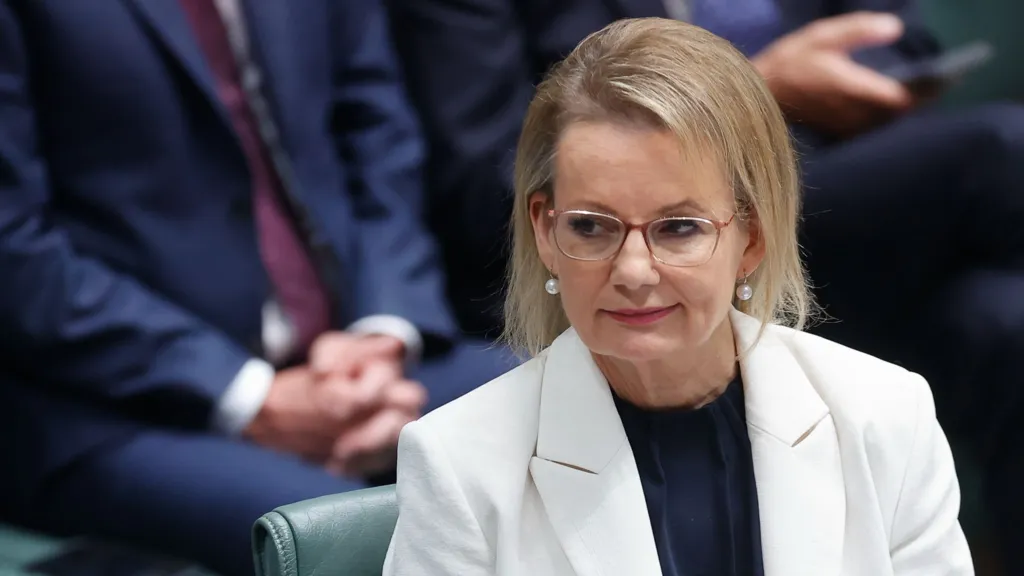
Australian Politics Faces Questions Over Gender Equality Amid Sussan Ley’s Appointment
-
 News7 hours ago
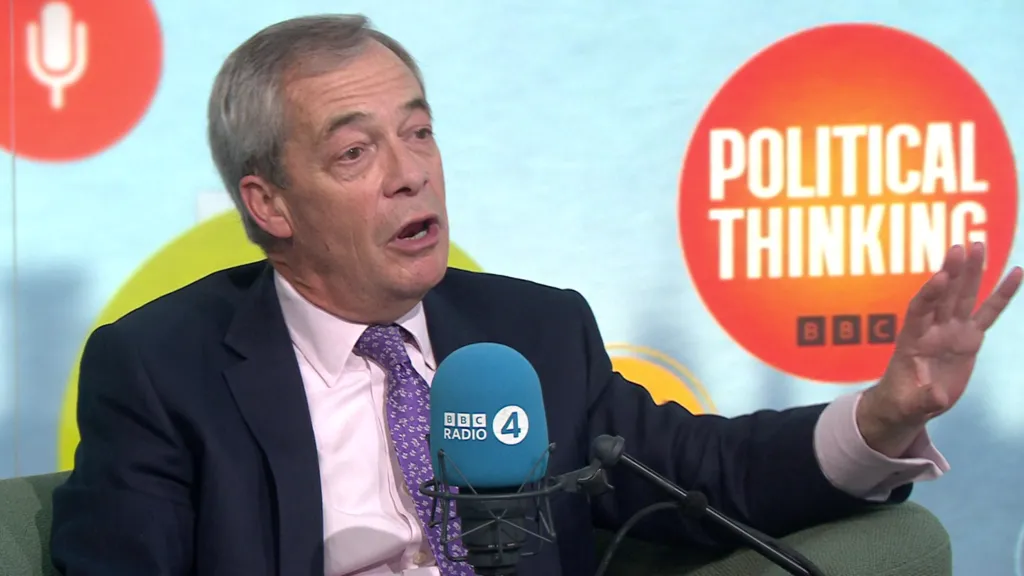
Farage Says Reform to Replace Traditional Tory Party
-
 News7 hours ago
Wrexham Pair Seek Win Against Former Team Ipswich
-
 News12 hours ago
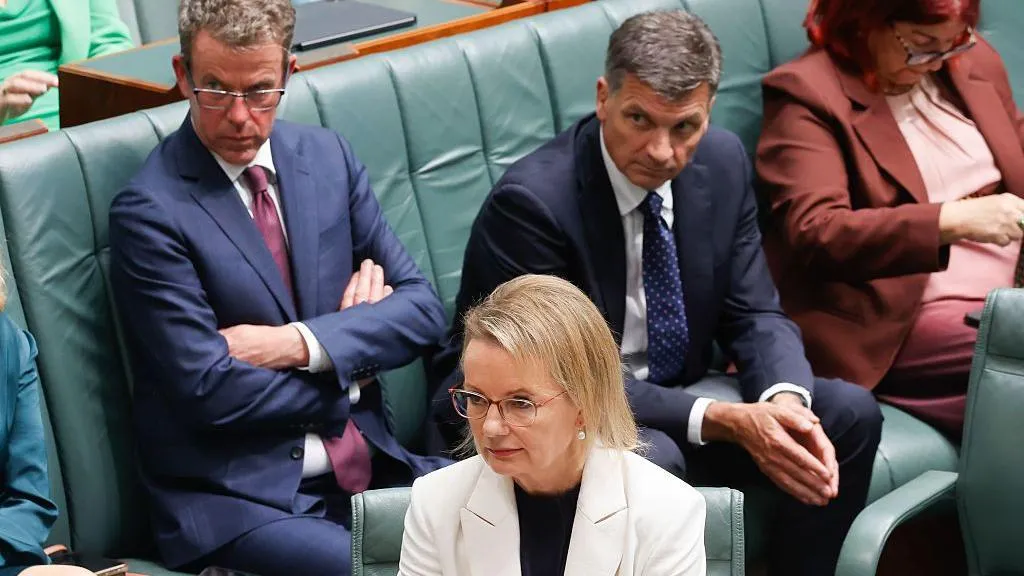
Liberal Party Removes Australia’s First Female Leader
-
 News10 hours ago
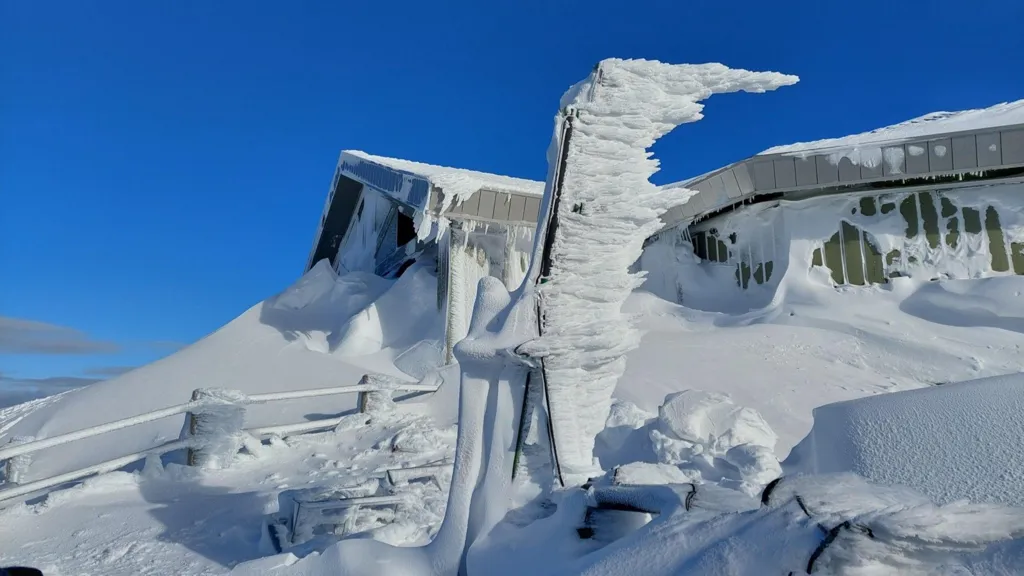
UK Braces for Cold Snap with Snow and Ice Alerts Expected
-
 News7 hours ago
Husband’s alleged £600k theft for sex and antiques blamed on drug side effects
-
 News2 days ago
Sunbed ads spreading harmful misinformation to young people
-
 Business13 hours ago
BBC Reporter Exposed to Cyber Attack Due to Vulnerabilities in AI Coding Tool