
Middle East
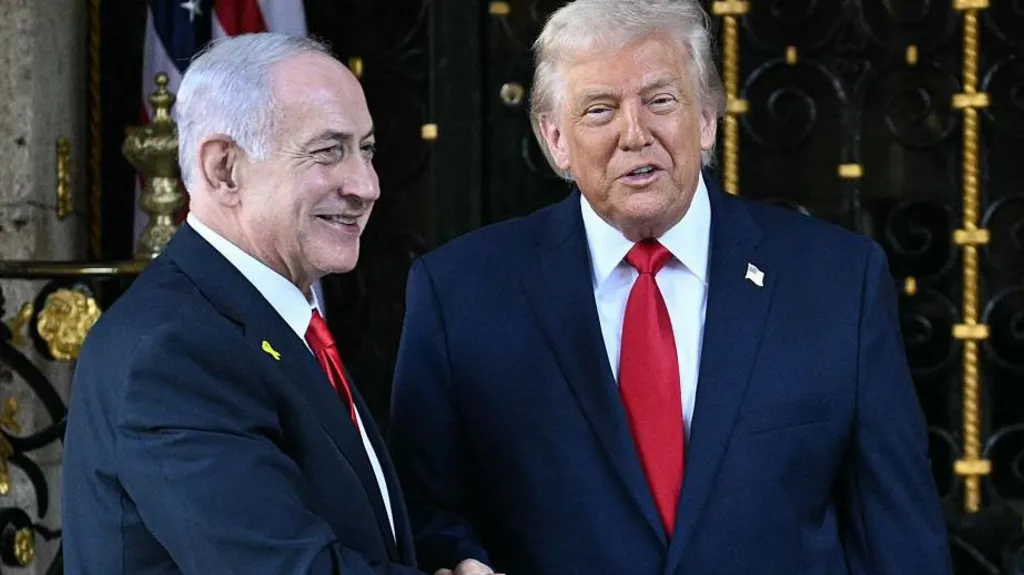
Israel seeks regime change in Iran with US support
Observers think that Prime Minister Netanyahu is pushing the United States to carry out comprehensive strikes.
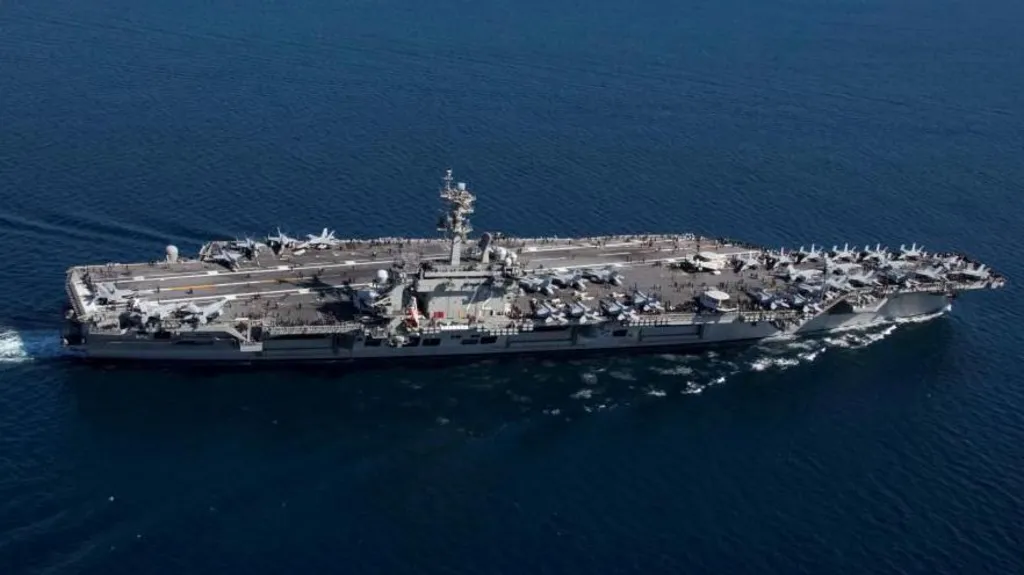
The US military buildup in the Middle East has sparked widespread speculation globally, yet Israeli leaders have adopted an uncharacteristic stance of silence on the matter.
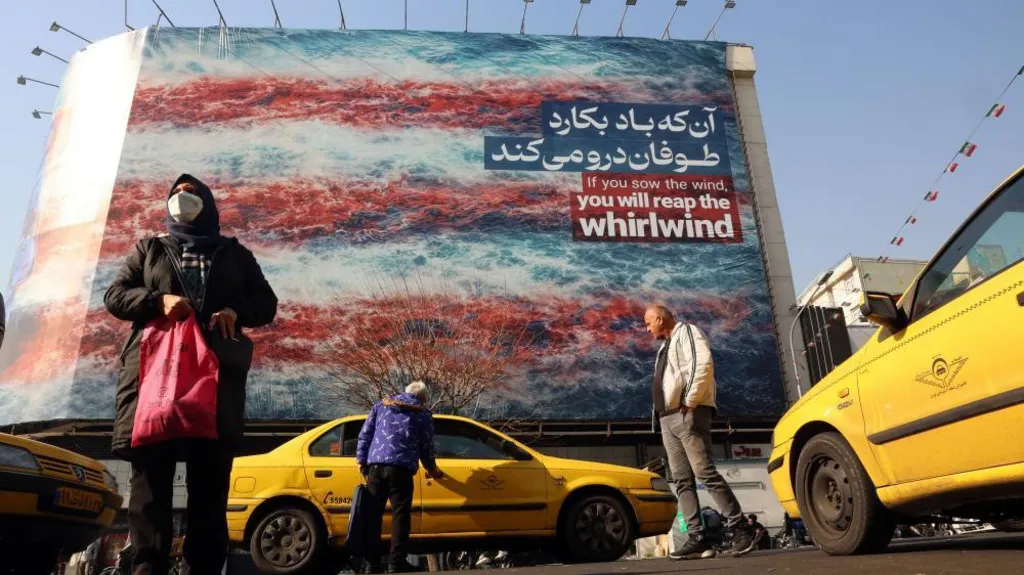
With the exception of expressing support for the recent anti-government demonstrations in Iran, Israel's prime minister has refrained from making public comments about the US's actions against Iran, and his government has followed suit.
According to Danny Citrinowicz, a 25-year veteran of Israel's Defence Intelligence and currently a senior Iran researcher at the Institute for National Security Studies, the prime minister's reserved approach underscores the significance he assigns to the current situation.
Citrinowicz notes that for Israel's prime minister, the presence of a large US military force in the Gulf, coupled with the possibility of US action against Iran, presents a unique opportunity that he is unlikely to pass up.
Asaf Cohen, former deputy director of Israel's signals intelligence unit, suggests that Israel's silence is, in fact, a deliberate strategy.
Israel's leadership is of the view that the United States should take the lead in addressing the current situation, given its superior strength, capabilities, and global legitimacy.
For Benjamin Netanyahu, Iran has consistently been the primary threat to Israel's security and a major contributor to instability in the Middle East; despite his public reticence, he is likely engaged in private discussions with US officials on the matter.
A meeting took place in Washington this week between Israel's military intelligence chief, Shlomi Binder, and representatives of US intelligence agencies, with Israeli media reporting that the talks centered on potential targets within Iran.
According to Citrinowicz, Netanyahu is reportedly advocating for comprehensive strikes against Iran with the aim of achieving regime change, and his earlier call for restraint was allegedly due to concerns that the planned US operation was not sufficiently extensive.
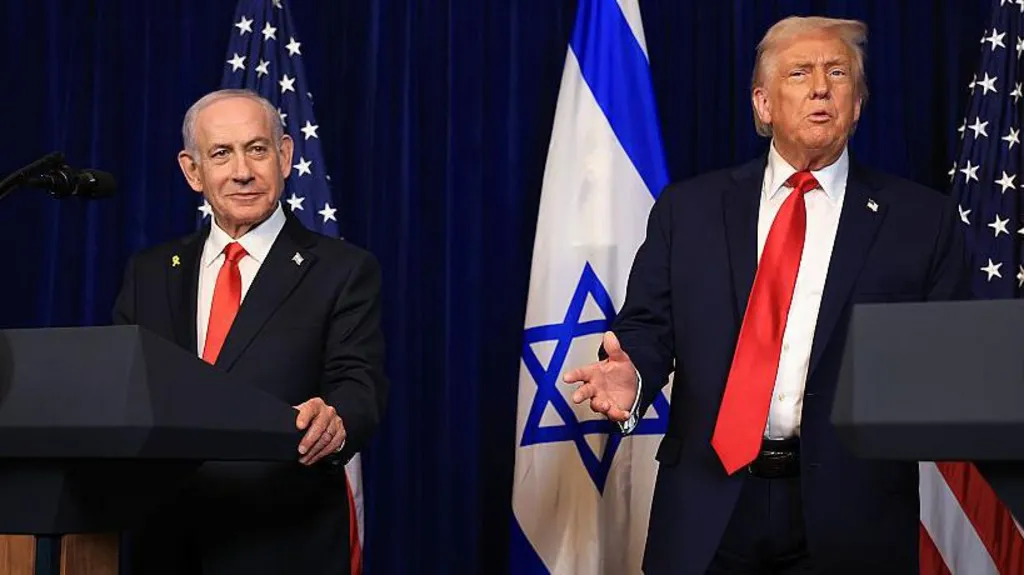
In a previous interview with Fox News, Netanyahu encouraged the Iranian people to challenge their government, a stance he took publicly last year.
The administration of US President Donald Trump is weighing various options regarding Iran, including targeted strikes and a potential overhaul of the country's government. Trump has publicly fluctuated between issuing military warnings and extending an offer for renewed diplomatic talks.
Numerous US allies have cautioned that attempting to topple Iran's leadership could have far-reaching and potentially destabilizing consequences for the region. However, some in Israel perceive potential advantages for their nation's security in such a scenario.
A regime change in Tehran could potentially eliminate the threat posed by Iran's ballistic missile program and the possibility of the country developing nuclear capabilities in the future, from Israel's perspective.
Additionally, the weakening of Iran's proxy forces, including Hezbollah, which reportedly maintains an arsenal of up to 25,000 missiles and rockets in Lebanon, according to Israel's Alma research institute, could also result from a change in the Iranian government.
Conversely, some Israeli lawmakers argue that a limited military strike or a new agreement with Iran could ultimately pose greater risks to Israel's security, as these options would allow the current Iranian regime to remain in power.
Moshe Tur-Paz, a member of the Yesh Atid opposition party and a sitting member of Israel's parliament's Defence Committee, emphasized that dealing with absolute evil requires unrestricted action.
A broad consensus exists among Israelis that a more robust response is necessary, not only from Israel but also from the Western world, when confronting adversaries like Iran, where the threat is universally acknowledged.
Many argue that another cycle of violence that fails to dismantle the regime would be too costly, given the anticipated retaliation from Iran.
The 12-day conflict last year, which saw Israel and the US target Iran's nuclear and ballistic missile facilities, prompted Iran to launch hundreds of ballistic missiles at Israeli population centers, with some bypassing Israel's air defenses and striking apartment buildings in Tel Aviv, resulting in at least 28 fatalities.
Having previously prepared for a higher casualty count, the Israeli military may now face an even more severe response from Tehran, which could be exacerbated by its heightened sense of vulnerability.
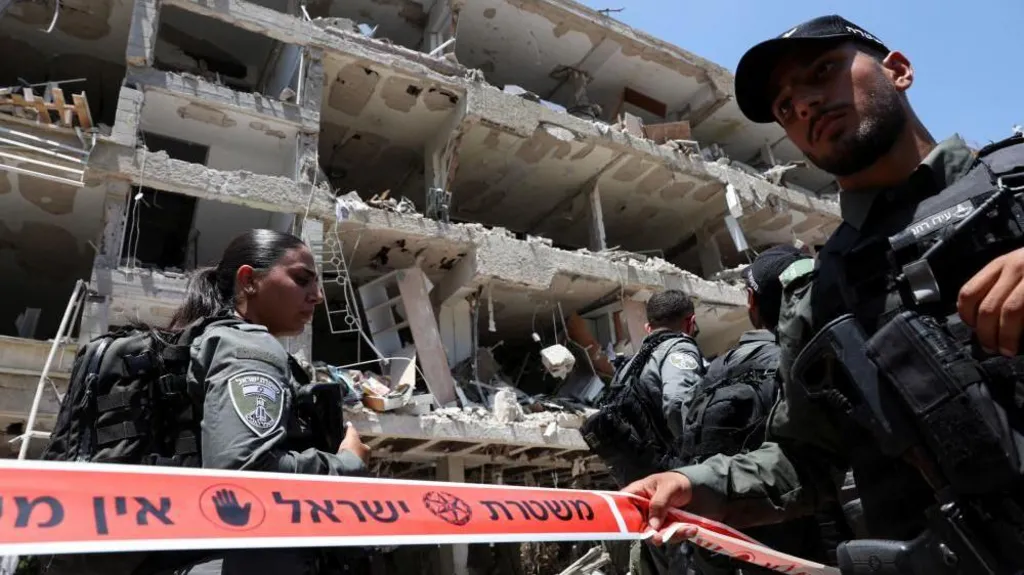
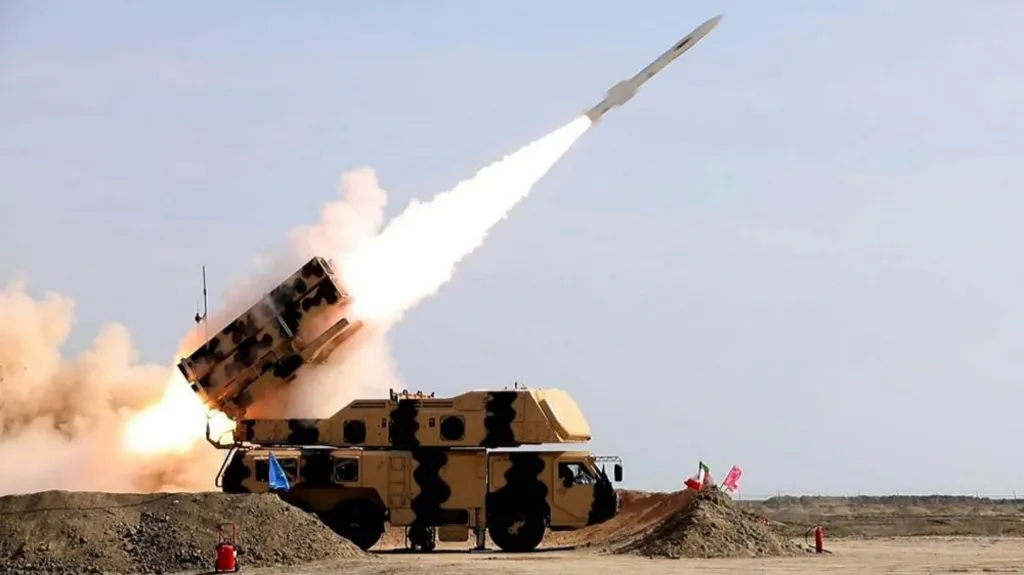
Following the conflict, Iran appears to have refined its strategies, and six months later, the country is replenishing its missile arsenal.
A high-ranking adviser to Iran's Supreme Leader recently issued a warning on social media, stating that any US attack would prompt an immediate and severe response targeting Tel Aviv.
According to Citrinowicz, Netanyahu's concern is that Israel may face another attack without achieving regime change in Iran. Citrinowicz notes that Netanyahu believes regime change is necessary to halt Iran's missile production, but this can only be achieved with US involvement.
The current situation presents a unique challenge for the Iranian regime, which is dealing with weakened military defenses after the 12-day conflict, diminished regional proxy forces, and widespread domestic protests. However, this moment of vulnerability also offers a potential opportunity, as noted by Cohen.
Cohen argues that Iran's current state of weakness may be a fleeting window of opportunity. Many believe that decisive action must be taken now, as this chance may not arise again in the future.
The aftermath of Iranian missile strikes in Tel Aviv last June continues to affect residents, who are now wondering if another conflict is on the horizon.
Neria, a young man in his early 20s, expressed his desire for decisive action, stating, "I hope our leaders seize this opportunity."
Regarding the potential for regime change, Neria noted that it could be achieved through various means, saying, "Whether it's by attack or other methods, I'm not sure, but we should use this situation to our advantage. Dealing with bombs is not ideal, but if it leads to greater safety in the long run, we may have to endure it."
Nearby, Shani, a young woman, shared her ambivalence about the situation.
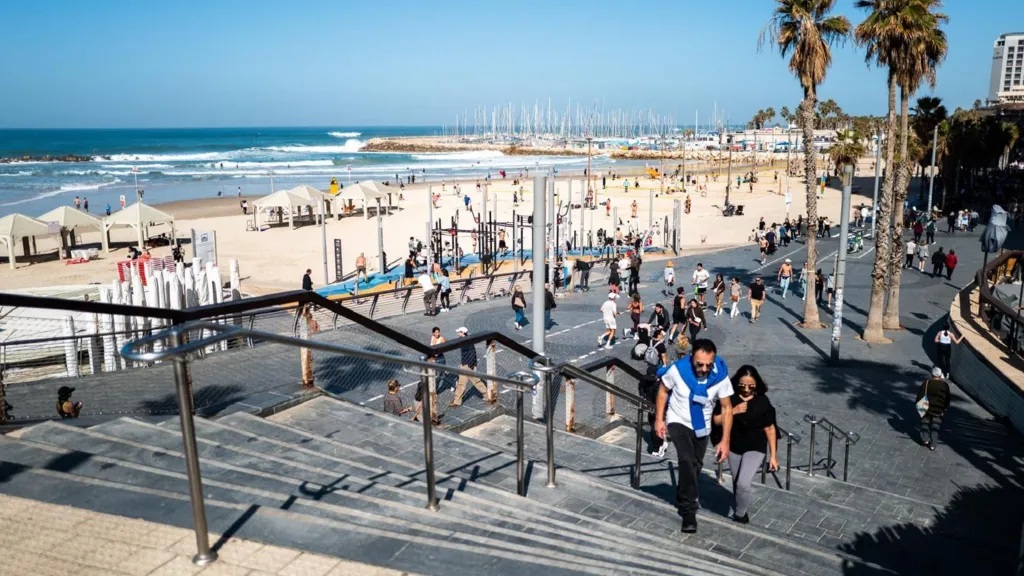
Shani said, "Many Iranians want US assistance, and I hope everyone remains safe. I urge politicians to consider the human impact, as their decisions have far-reaching consequences."
Consistent polling in Israel indicates that a significant majority of Jewish citizens back the use of military force against Iran, a stance that has endured even after the 12-day conflict last year.
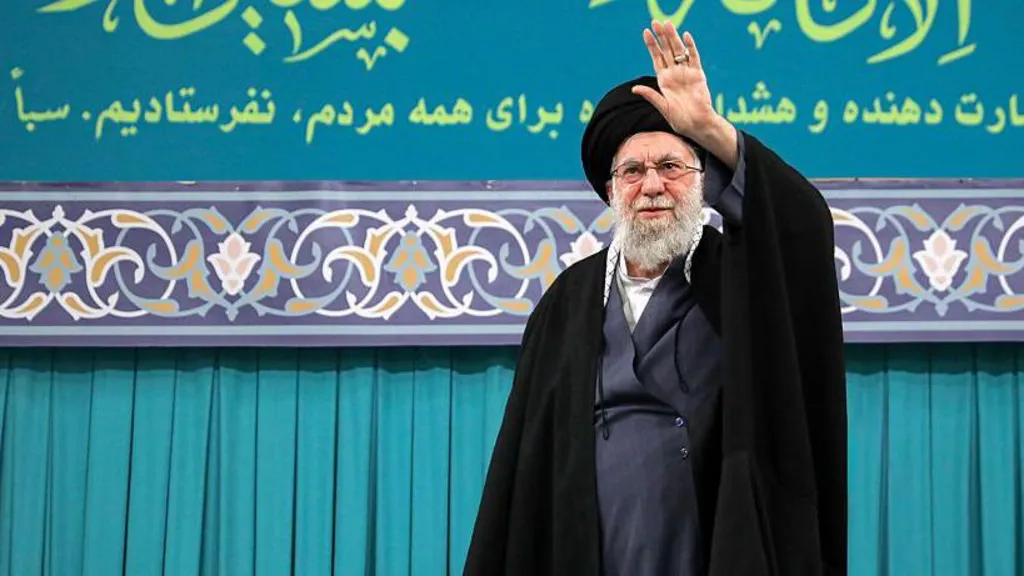
However, the challenges associated with regime change in Iran remain considerable, given the current unity of the military and clerical factions supporting Supreme Leader Ayatollah Ali Khamenei, as well as the fragmented state of the opposition, making it uncertain who would assume power if the government were to collapse.
The potential for a younger successor from within the existing power structure to take a more conciliatory approach towards Israel is not guaranteed, and the turmoil that would accompany a civil war would have far-reaching and destabilizing consequences, not only for the Iranian people but also for the broader region.
Various defence experts have noted that air strikes alone are rarely sufficient to bring about the collapse of a regime, highlighting the complexity of such operations.
As Israel's prime minister prepares for elections this year, he has sought to rebuild his reputation as a guarantor of national security following the Hamas attacks; achieving regime change in Iran or the removal of Ayatollah Khamenei would be a significant political victory, but it would also entail substantial risks.
Citrinowicz views the situation as a strategic risk, emphasizing that it is a deliberate move rather than a reckless one.
According to observers, Netanyahu's primary concern is not the potential consequences of his actions, but rather demonstrating, in tandem with Trump, the dismantling of the Iranian regime. However, the wildcard in this scenario is Trump's unpredictability.
Despite both the US and Iran expressing a willingness to engage in negotiations, significant hurdles remain, including Trump's stipulations that Iran must cease uranium enrichment, halt support for regional proxies, and impose constraints on its ballistic missile program – demands that Tehran considers non-negotiable.
The Israeli government remains staunchly opposed to any potential deal, while experts in Israel are split on whether a viable agreement can be reached at all.
Cohen believes that both the US and Iranian governments are motivated to secure an agreement, but warns that if a deal is not brokered shortly, the US may resort to military action.
According to Cohen, a notable similarity exists between Iran's Supreme Leader and Trump: the concept of rigid boundaries is not a major concern. During the 2013 negotiations, these limits were often referred to as "pink lines" due to their tendency to shift.
Cohen observed that Iran is frequently portrayed as malicious, but in reality, the country's decision-making process is rooted in rationality. He believes that the Iranian government recognizes the need for unprecedented action to alter the current situation.
Citrinowicz countered by acknowledging that Iran has demonstrated a capacity for compromise, distinguishing it from North Korea. However, he cautioned that the regime does have non-negotiable limits, and the prospect of war would be difficult to contain, as Iranians would likely perceive it as an existential threat.
Indications suggest that Trump may be scaling back his preconditions for negotiations, focusing primarily on Iran's nuclear program. If Tehran deems the terms acceptable, the region is likely to welcome the development with relief, while many in Israel will remain apprehensive.
Cohen suggested that it is possible to devise compromises on issues like enrichment, which could effectively halt new activities without explicitly prohibiting them, thereby allowing Iran to avoid an outright ban.
A key distinction between the two sides is their approach to timelines, with one side preferring rapid outcomes and the other demonstrating a willingness to wait. According to this perspective, the Iranians are comfortable with a prolonged process, adopting a long-term view that spans centuries, and are willing to wait an additional 30 years if necessary to achieve their goal of obtaining a nuclear weapon, having already been in existence for 2000 years.
Middle East
BBC reports from Tehran as Iran commemorates Islamic revolution anniversary
BBC correspondent Lyse Doucet has arrived in Iran, marking her first visit to the country since authorities suppressed widespread demonstrations against the government.
Iran's government has staged a display of strength to commemorate the 47th anniversary of the Islamic revolution, following a period of intense repression of anti-government demonstrations.
The BBC has gained access to Tehran for the first time since the authorities' crackdown on protests, which resulted in the deaths of at least 6,490 people, according to estimates by human rights activists.
Lyse Doucet, the BBC's chief international correspondent, observes that the capital's streets, adorned with festive decorations and filled with crowds of supporters, reflect the government's desired image of a unified nation, with Iranians demonstrating their allegiance to the Islamic Republic and its founding revolution.
Middle East
BBC reports from Tehran for the first time since the protest crackdown
In Iran, the aftermath of the government’s crackdown on protests remains a sensitive issue, with the effects of the unusually strong measures still being felt, according to Lyse Doucet, reporting from the country.
For the first time since a nationwide crackdown on anti-government demonstrations, a BBC team has entered Iran to report on the current situation.
As Iran commemorates the 47th anniversary of the Islamic Revolution, the streets of Tehran are adorned with festive decorations, yet the memory of the recent protests and the subsequent use of force by security personnel remains a sensitive issue.
According to human rights activists, the confirmed number of protester fatalities stands at a minimum of 6,400, although they caution that the actual death toll may ultimately be significantly higher.
Asia
Indonesia plans to deploy up to 8,000 troops to Gaza
As part of the second phase of the ceasefire agreement facilitated by the US in the previous year, this nation would become the first to take such action.
Indonesia is making preparations to deploy a contingent of up to 8,000 soldiers to Gaza, marking the first such commitment under the second phase of a ceasefire agreement facilitated by the United States towards the end of last year.
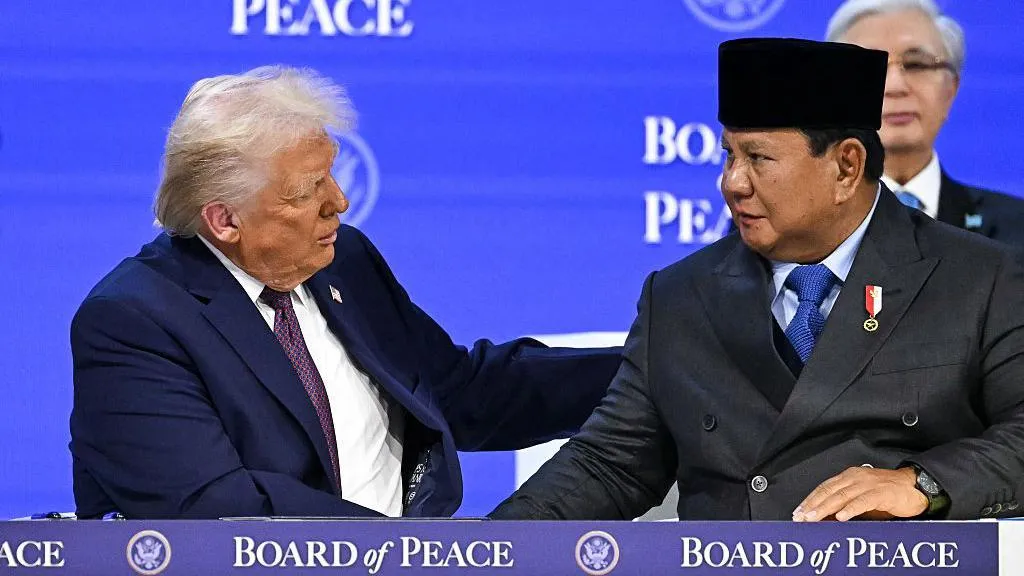
According to General Maruli Simanjuntak, the army's chief of staff, training for these troops is already underway, with a focus on providing medical and engineering support in Gaza.
Indonesia has recently joined the Board of Peace initiated by President Donald Trump, an announcement that was made last month.
The United Nations Security Council has given Indonesia a mandate to establish an International Stabilization Force, tasked with securing border areas in Gaza and overseeing the demilitarization of the territory, including the disarmament of Hamas.
The Board of Peace, scheduled to convene for the first time in Washington on February 19, will also play a role in overseeing the establishment of a new technocratic government in Gaza and guiding post-conflict reconstruction efforts.
While the specifics of the Indonesian troop deployment, including timing and role, have yet to be finalized, it appears that President Prabowo Subianto is moving forward with the plan.
President Subianto's decision to participate in Trump's Board of Peace has drawn criticism from certain Islamic groups within Indonesia, where there is significant public discontent regarding the US role in Israel's military actions in Gaza.
President Subianto has countered that, as the world's most populous Muslim nation, Indonesia has a responsibility to contribute to stabilizing Gaza, with the ultimate goal of achieving a two-state solution to the Israeli-Palestinian conflict.
A report by Israel's public broadcaster Kan indicates that a location in southern Gaza, situated between Rafah and Khan Younis, has been designated for the Indonesian army to construct barracks that will accommodate several thousand troops.
Other Muslim countries, including Turkey and Pakistan, are considering troop deployments as well, but have emphasized that their roles would be limited to peacekeeping and would not involve participation in the planned disarmament of Hamas.
However, given Hamas's refusal to disarm as long as Israel maintains its presence in parts of Gaza, a lasting peace that an international force could support has yet to be achieved.
-
 News9 hours ago
Australian Politics Faces Questions Over Gender Equality Amid Sussan Ley’s Appointment
-
 News6 hours ago
Farage Says Reform to Replace Traditional Tory Party
-
 News6 hours ago
Wrexham Pair Seek Win Against Former Team Ipswich
-
 News11 hours ago
Liberal Party Removes Australia’s First Female Leader
-
 News9 hours ago
UK Braces for Cold Snap with Snow and Ice Alerts Expected
-
 News6 hours ago
Husband’s alleged £600k theft for sex and antiques blamed on drug side effects
-
 News2 days ago
Sunbed ads spreading harmful misinformation to young people
-
 Business11 hours ago
BBC Reporter Exposed to Cyber Attack Due to Vulnerabilities in AI Coding Tool