
News
Researchers Explore Concept of Ideal Romantic Matches
The concept of soulmates continues to influence people’s perceptions of love and relationships.
This article will be read by Pallab.

Valentine's Day often prompts people to consider the idea of a perfect match, a soulmate who is meant to be with them.
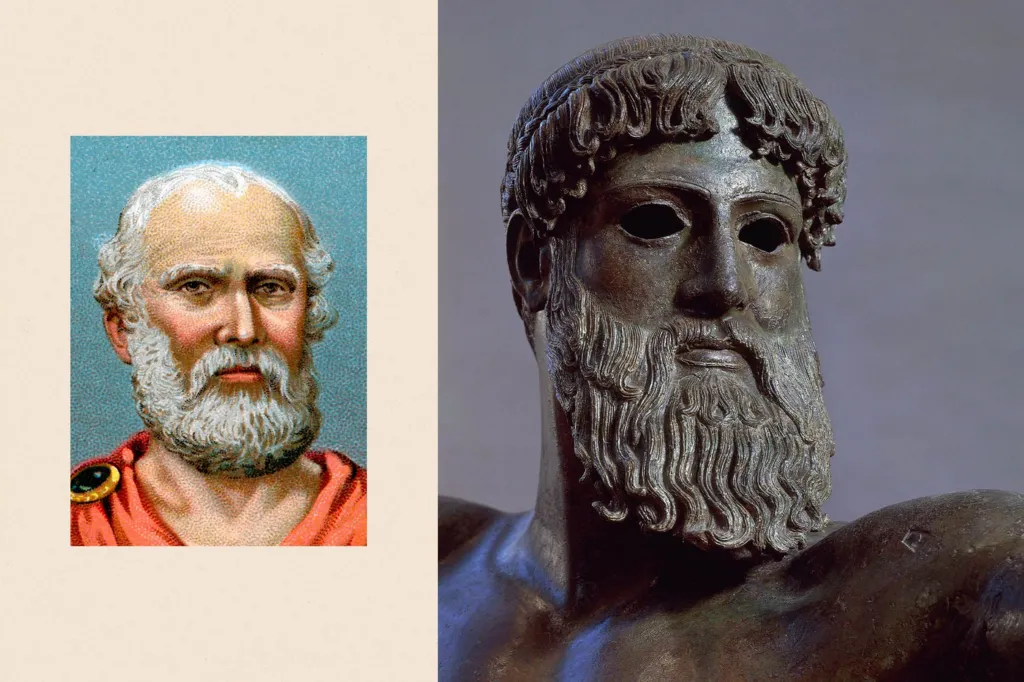
The concept of a soulmate has its roots in ancient mythology, such as the story from Plato, which describes humans as originally whole beings that were split in two by Zeus, leaving each half to search for its missing counterpart.
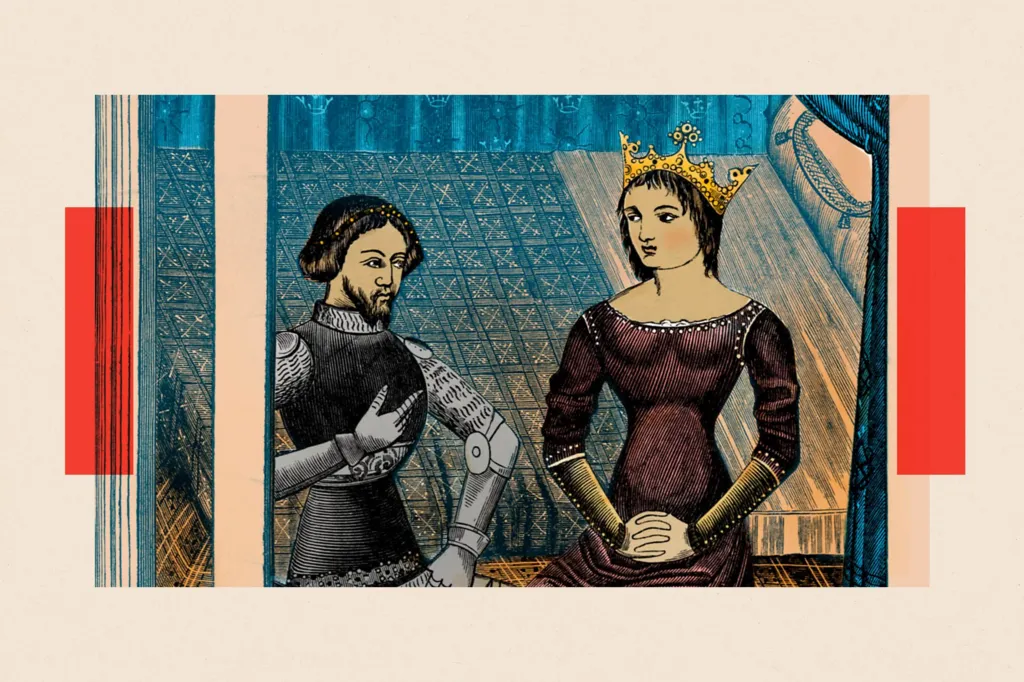
During the Middle Ages, the notion of courtly love emerged, characterized by intense devotion and self-sacrifice, as seen in the story of Lancelot and Guinevere.
The Renaissance period saw the rise of the concept of "star-crossed lovers," where couples were bound together by fate, yet often faced obstacles that prevented them from being together.
Modern fairy tales and romance novels have perpetuated the idea of idealized love stories.
However, what does current research say about the existence of soulmates?
Viren Swami, a professor at Anglia Ruskin University, has studied the evolution of romantic love in Europe, tracing it back to medieval tales of chivalry and courtly love.
According to Swami, these stories introduced the idea of choosing one lifelong partner, marking a shift from more fluid and non-exclusive forms of love.
Prior to this, love was not necessarily tied to sex or monogamy, and people were free to love multiple individuals.
As people became increasingly disconnected from their communities due to industrialization, they began to seek a single, special person to fill the void, leading to a sense of alienation.
Today, dating apps have turned the search for a soulmate into a commodified experience, which Swami describes as "relation-shopping," often resulting in a soulless and unfulfilling experience.
This process involves browsing through numerous potential partners until one becomes overwhelmed and decides to stop, rather than finding a genuine connection.
Jason Carroll, a professor at Brigham Young University, understands the desire for a soulmate but argues that people should abandon the idea of a predestined partner.
As social creatures, humans have an inherent desire for attachment and connection, but this does not necessarily mean that there is one perfect match out there.
Carroll distinguishes between the idea of destiny, where a soulmate is simply found, and the concept of growth, where two people work together to build a strong relationship.
A true "one and only" is not something that can be discovered instantly but rather is cultivated over time through effort, compromise, and perseverance.
Carroll's research, outlined in his report "The Soulmate Trap," highlights the differences between "destiny beliefs" and "growth beliefs" in relationships.
Studies have shown that individuals who believe in destiny are more likely to question their commitment when faced with conflicts, whereas those with growth-oriented views tend to remain more committed.
People with growth-based views still desire a special connection but are more willing to work through challenges and improve their relationship.
Carroll argues that the soulmate myth can be detrimental, as it creates unrealistic expectations that love should be effortless, leading to disappointment and frustration when reality sets in.

In his view, the most meaningful aspect of a long-term relationship is not the initial spark but the ability to navigate life's challenges together, creating a deep and lasting bond.
When love is seen as fate, people may become less inclined to put in the effort required to maintain a healthy relationship, leading to difficulties when conflicts arise.
Carroll suggests that the soulmate trap can lead to unrealistic expectations, causing people to give up on a relationship at the first sign of trouble, rather than working through issues.
Vicki Pavitt, a love coach, has worked with clients who thought they had found their soulmate, only to discover that the relationship was unhealthy and manipulative.
According to Pavitt, intense chemistry can sometimes be a sign of unresolved past issues, rather than a genuine connection.
A person who is inconsistent or unpredictable can create a strong attraction, but this may be due to the anxiety and uncertainty they provoke, rather than a healthy bond.
Pavitt notes that what may feel like destiny can actually be a trauma bond, where the nervous system is drawn to familiar patterns, even if they are unhealthy.

This can lead people to become trapped in toxic relationships, as they mistake the familiar feelings of anxiety and excitement for love.
Research by Canadian psychologists Donald Dutton and Susan Painter has explored the phenomenon of trauma bonds, finding that women who had left abusive partners often experienced strong attachment to their exes.
The study discovered that the strongest bonds were not formed in consistently abusive relationships but in those where the partner alternated between charm and cruelty.
Dutton and Painter argue that this trauma bond explains why people may feel drawn back to unhealthy relationships, as the mix of danger and affection can be familiar and addictive.
Pavitt helps her clients distinguish between genuine chemistry and a familiar sense of anxiety, encouraging them to recognize the difference between a healthy connection and a trauma bond.
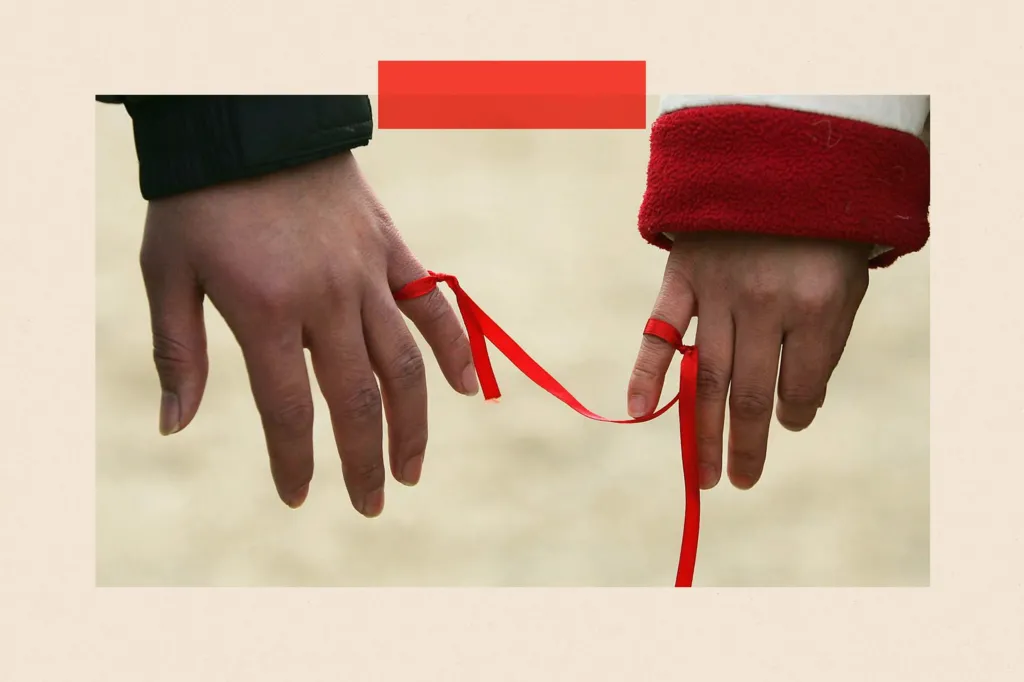
In her coaching, Pavitt focuses on helping individuals discern whether their attraction to someone is based on compatibility or a familiar pattern of anxiety.
She does not believe in the concept of a single soulmate but instead suggests that people can become "The One" for someone through mutual growth and connection.
The biology of attraction also suggests that the idea of a single soulmate may be overly simplistic.
Research has shown that hormonal contraceptives can influence how partners feel about each other, potentially altering initial attraction and mate choice.
A study of 365 heterosexual couples found that women's sexual satisfaction was higher when their current contraceptive status matched what it was when they first chose their partner.

These findings imply that changes in contraceptive use can affect the chemistry between partners, making it more challenging to argue that there is a single, predestined match.
Mathematicians offer an alternative perspective on the concept of "The One," providing a distinct approach to understanding romantic love and relationships.
Economist Dr. Greg Leo from Vanderbilt University has developed a compatibility algorithm that suggests individuals may have multiple potential matches, rather than a single "One".
In a study published in the Journal of Public Economic Theory, Dr. Leo created a simulated dating environment where thousands of virtual participants ranked each other. His algorithm identified "first-order soulmates" – pairs who mutually chose each other – and then repeated the process to find subsequent matches.
The simulations revealed that having a mutual first choice was extremely rare, but many individuals had multiple potential partners who were a close match. A couple was considered "happy" if they were both high on each other's list and couldn't find someone they preferred more.
Dr. Leo's research implies that there may be numerous compatible partners for an individual, challenging the notion of a single, perfect match.
So, how can couples create their own unique connection?
Professor Jacqui Gabb of The Open University explored this question in her Enduring Love project, which was published in the journal Sociology in 2015.
The project involved a survey of approximately 5,000 people and an in-depth study of 50 couples, using a combination of statistical analysis, diaries, interviews, and "emotion maps" to examine their relationships.
When participants were asked what made them feel appreciated, their responses didn't involve grand romantic gestures.
Instead, they highlighted small, thoughtful actions such as surprise gifts, kind words, and everyday considerate behaviors like making a cup of tea or warming up the car on a cold morning.
Quantitative analysis revealed that these "everyday attentive acts" had a more significant impact on relationship satisfaction than grand romantic gestures.
According to the survey, 22% of mothers and 20% of childless women ranked small gestures as one of the top two things that made them feel valued, surpassing big nights out or expensive presents.
The data suggested that relationship satisfaction was primarily driven by "intimate couple knowledge" and the expression of this knowledge in daily life, rather than material possessions or romantic getaways.
One couple's diary, part of the research project, described a quiet evening at home, where they shared a meal and enjoyed each other's company, highlighting the beauty of everyday moments.
The diary entry captured a sense of contentment, with the writer expressing gratitude for the simple pleasures in life.
The couple's story also included spontaneous moments, like a dance in the living room, a walk in the countryside, and a cherished photo, showcasing the beauty of everyday life.
This narrative was characterized by its ordinariness, rather than fairy-tale romance, with the couple facing real-life challenges like financial worries and personal struggles.
Professor Gabb noted that the couple's relationship was strengthened by their ability to navigate life's challenges together, rather than being insulated from them.
According to Gabb, the sense of being soulmates was not something that existed independently of life's pressures, but rather was created through the couple's shared experiences and interactions.
The scientific insights into relationships don't diminish the romance, but rather provide a foundation for it to flourish, even in difficult times.
This perspective is shared by some experts, who believe that aspiring to a unique and special relationship is acceptable, as long as one recognizes that it requires effort and creation.
Others suggest that having faith in finding "the one" can be helpful, as long as one is aware that there are many potential partners with whom a strong connection can be formed, and that nobody is perfect.
The science of soulmates presents a paradox: those who ultimately find fulfilling relationships often do so by letting go of the idea of a perfect match and instead embracing the imperfections of their partner.
Additional reporting for this article was provided by Florence Freeman.
The top image is courtesy of Getty Images.
News
GB men’s curling team suffers upset defeat to Italy
At the 2026 Winter Olympics, Great Britain’s men’s curling team mounted a comeback against Italy following a disappointing beginning, ultimately falling short in their inaugural match.
Despite a valiant comeback, Team GB ultimately fell short as Italy held their composure to secure the win in the final end.
A dismal start to the match proved costly for Team GB's men, as they suffered their first defeat of the Winter Olympics at the hands of host nation Italy, despite a spirited fightback in the packed Cortina Curling Stadium.
Following victories in their first two matches, including a win over the Swedish rink that beat them in the gold-medal match four years ago, Team GB entered their second high-profile encounter in as many days in a confident position.
However, a disastrous opening end, in which Italy stole four points, left Team GB trailing and facing an uphill battle in front of a boisterous home crowd.
The British team, currently ranked number one in the world, gradually regained their footing and managed to level the score by the ninth end.
Ultimately, Italy maintained their composure in the final end to emerge victorious, winning 9-7 and adding Team GB to their list of scalps, which already included the Swedes.
"We had to dig deep and play some solid curling, but unfortunately, it wasn't enough to get us over the line," Team GB lead Hammy McMillan said in an interview with BBC Sport.
With seven wins from nine round-robin matches guaranteeing a spot in the semi-finals, Team GB remains in a strong position, although fewer wins may still be sufficient to advance.
The women's team is set to take to the ice next, facing South Korea in their second match at 13:05 GMT, while the men will return to action on Saturday against the Czech Republic at the same time.
Team GB is at the forefront of curling's technological advancements.
Embracing what sets you apart can be a powerful asset, according to some athletes.
A daily guide to the Winter Olympics is available for those looking to stay up-to-date with the action.
The looks of shock on the faces of Team GB's curlers told the story of a disastrous opening end.
With a stone in play, Mouat attempted a risky shot in an effort to claim two points, but it backfired, resulting in none of Team GB's stones in the house and four Italian stones in position.
However, the Scottish quartet, ranked number one in the world, quickly regained their composure and got back to their game.
The teams exchanged singles before a impressive final throw by Mouat, aided by a measurement to determine which stone was closest to the button, allowed Team GB to claim two points and narrow the gap to 5-3.
Another excellent team effort, which included a well-judged throw by Mouat, a solid sweep by Hammy McMillan and Bobby Lammie, and Grant Hardie's strategic expertise, forced Italy to concede a point in the fourth end, reducing the deficit to a single point at the break.
Italy blanked the sixth end and added two points in the seventh to rebuild their lead, but Team GB fought back with two points of their own, remarkably levelling the score with one end remaining after a steal.
The match came down to the final end, but Italy held their nerve to secure the win, prompting a deafening roar from the crowd.
"It's an incredible experience, and we need to get used to it," McMillan added, describing the electric atmosphere as "surreal" and "cool," more akin to a football match than a typical curling crowd.
News
Scotland Kicks Off Nations League Against Slovenia
Uefa has released the schedule for the Nations League, with Scotland set to begin their campaign on 26 September with an away match against Slovenia.
Uefa has released the schedule for the Nations League, with Scotland's campaign set to begin on 26 September with an away match against Slovenia.
The team's six group stage games will be played within a three-month period, culminating in a match against Switzerland on 16 November.
The fixture list was announced following Thursday's draw, which placed Scotland in a group with Switzerland, Slovenia, and North Macedonia.
Having been relegated from League A after a play-off loss to Greece last year, Scotland will compete in the second tier of the Nations League this year.
In response to the draw, head coach Steve Clarke noted that the teams in the group appear to be evenly matched.
Clarke reflected on the team's past experience in the competition, stating that it has been beneficial for Scotland.
He emphasized the importance of the Nations League, citing its role in helping the team qualify for Euro 2020, and anticipated a challenging set of matches.
A key matchup in the Nations League will see Scotland face off against Switzerland.
The group stage will determine the teams' fates, with the winner earning promotion, the runner-up entering a play-off, the third-placed team facing a relegation play-off, and the fourth-placed team being relegated directly.
The upcoming group games will mark a reunion for Scotland and Switzerland, who previously drew 1-1 in Cologne at Euro 2024.
Scotland's last encounter with Slovenia was during the 2018 World Cup qualification campaign, when they won 1-0 at home and drew 2-2 away.
The team has not played North Macedonia since the 2014 World Cup qualifiers, when they drew 1-1 at home and won 2-1 away, with goals from Ikechi Anya and Shaun Maloney.
The schedule for Scotland's Nations League campaign begins on 26 September with a match against Slovenia.
The team will then host Switzerland on 29 September, followed by a trip to face North Macedonia on 3 October.
Scotland will then play Slovenia at home on 6 October, before hosting North Macedonia on 11 November.
The final group stage match will see Scotland travel to face Switzerland on 16 November.
The team's home match against North Macedonia is set for 11 November.
The campaign will conclude with an away match against Switzerland on 16 November.
News
Golfer McIlroy Sinks Bunker Shot at Pebble Beach Pro-Am
At the AT&T Pebble Beach Pro-Am in California, Rory McIlroy achieved an eagle on the 14th hole at Spyglass Hill, capping off his opening round with a score of 68.
During the AT&T Pebble Beach Pro-Am in California, Rory McIlroy achieved an eagle on the 14th hole at Spyglass Hill, contributing to his first-round score of 68.
For further information, Rory McIlroy had a solid opening round, while Hisatsune took the lead.
Access to this content is restricted to users in the United Kingdom.
-
 News8 hours ago
Australian Politics Faces Questions Over Gender Equality Amid Sussan Ley’s Appointment
-
 News5 hours ago
Farage Says Reform to Replace Traditional Tory Party
-
 News5 hours ago
Wrexham Pair Seek Win Against Former Team Ipswich
-
 News11 hours ago
Liberal Party Removes Australia’s First Female Leader
-
 News9 hours ago
UK Braces for Cold Snap with Snow and Ice Alerts Expected
-
 News5 hours ago
Husband’s alleged £600k theft for sex and antiques blamed on drug side effects
-
 News2 days ago
Sunbed ads spreading harmful misinformation to young people
-
 Business11 hours ago
BBC Reporter Exposed to Cyber Attack Due to Vulnerabilities in AI Coding Tool