
Education
Gaps in school records may put students’ lives at risk, coroner warns
Following the death of Georgia Scarff, a coroner has recommended that record-keeping for safeguarding purposes be made a uniform practice.
Concerns have been raised by a coroner regarding the potential risks associated with inconsistencies in pupil record-keeping, which could have severe consequences in the future.

According to Darren Stewart, the coroner for Suffolk, the use of different safeguarding information management tools by various schools may pose a risk to students' safety due to teachers' lack of familiarity with new systems when they change jobs.
This issue was highlighted in a prevention of future deaths report (PFDR) following the death of 16-year-old Georgia Scarff in 2024, near her home in Bury St Edmunds, after an inquest found that the record-keeping practices of the Royal Hospital School, where she was a boarding pupil, were not a contributing factor.
The Department for Education has been approached for a response to the PFDR.
Georgia Scarff passed away on 15 April 2024, during the Easter holidays, when she was at home.
The coroner's investigation concluded that the teenager, a boarder at the private Royal Hospital School in Holbrook, had intended to take her own life.
The PFDR noted that the Royal Hospital School utilized the Child Protection Online Management System (CPOMS) as its safeguarding system.
The inquest heard that school authorities had taken appropriate action when concerns about Georgia were raised by her mother.
However, the report also revealed that some staff members were not adequately trained or familiar with CPOMS, which led to important information not being recorded in Georgia's file, although this was not deemed a direct cause of her death.
The coroner expressed concern that in a future case, the failure to record crucial safeguarding details could potentially put a student's life at risk.
The Royal Hospital School released a statement saying that Georgia was a kind and joyful presence among her peers, and her loss is still deeply felt by the school community, remembering her for her creativity, determination, and warm character.

The school stated that since the inquest, it has provided additional in-person training and guidance on CPOMS, enhanced user access and alert systems, and established a program for ongoing staff training.
The school added that Georgia and those closest to her remain in their thoughts.
In the PFDR, coroner Darren Stewart expressed concern that there is no unified safeguarding system used across all educational institutions.

Stewart noted that teachers who move between schools and colleges must adapt to different processes and tools, which can be challenging.
This lack of standardization may result in a risk to students' safety due to teachers' unfamiliarity with various management tools, potentially leading to important safeguarding information not being recorded.
Education
National Student Pride Event to Cease After 21-Year Run
According to the organisers, a decline in sponsorship over the past few years has led to the decision to hold the final event this weekend.
A long-running annual event in London, designed to connect LGBTQ+ students with potential employers and provide networking opportunities, is coming to an end after 21 years due to a significant decline in corporate support.

According to National Student Pride, a non-profit organization founded in 2005, its revenue has plummeted by approximately two-thirds over the past two years, primarily due to widespread reductions in corporate Diversity, Equity, and Inclusion (DEI) budgets.
The organization also attributed the decline in sponsors to its newly introduced "ethical sponsorship" policy, which led to the departure of certain sponsors due to their connections to the fossil fuel industry and Israel, following protests from LGBTQ+ groups.
The number of sponsors for the event has drastically decreased, from 24 in 2024 to just eight this year.
Tom Guy, one of the organization's original founders and current trustees, recalled that National Student Pride was established in response to a controversial talk at Oxford Brookes University, which was hosted by the university's Christian Union and sparked outrage due to its homophobic content.
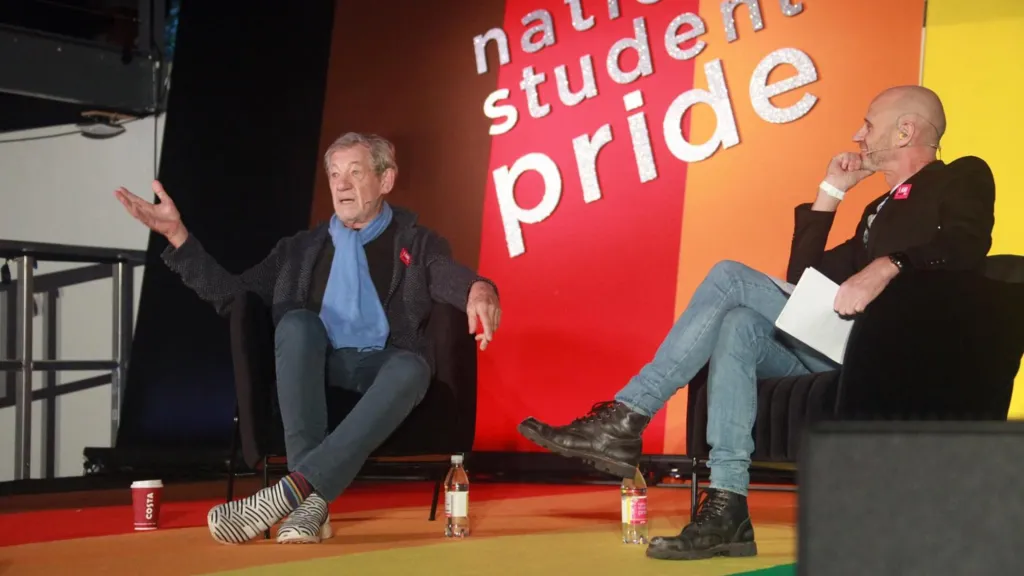
Guy explained that the organization's initial response was to create a positive and constructive alternative, focusing on promoting inclusivity and acceptance.
The first event featured a panel discussion that intentionally brought together individuals from diverse backgrounds, including a vicar and a rabbi, to demonstrate that faith and LGBTQ+ identity are not mutually exclusive.
According to Guy, this founding principle of promoting openness and dialogue has guided National Student Pride's activities over the past 21 years.
Despite its growth into the UK's largest LGBTQ+ student event, Guy emphasized that the organization's continued operation relies heavily on corporate sponsorship, which is no longer a viable option.
In an interview with the BBC, Guy suggested that international politics may also be a contributing factor to the decline in corporate sponsorship, as companies reduce or eliminate their DEI budgets.

It was reported last year that US embassies in Europe had sent letters to EU-based corporations, instructing them to comply with the Trump administration's policies prohibiting DEI programming.
In response, law firm Clifford Chance advised companies to review their existing programs and prepare to demonstrate compliance with US civil rights laws and regulations.
Guy noted that not only have sponsors withdrawn their support, but fewer employers are also willing to participate in the event's career fair, which is a crucial component of the festival and a primary source of revenue.
The number of companies interested in participating in the careers event has decreased significantly, from 53 in 2024 to just 20 this year.
Guy observed that LGBTQ+ initiatives appear to be losing priority among corporations amidst the current geopolitical uncertainty and economic instability.
Although the event will be coming to an end, organizers confirmed that this year's festival, scheduled to take place at the University of Westminster, will still proceed as planned.
The event will conclude with a "Dragstravaganza finale" featuring guests Amanda and Jessie from The Traitors.
Education
Students Find Relief from Stress by Leaving Phones Behind During School Hours
Alderbrook School in Solihull has introduced a policy prohibiting smartphones, with certain students expressing support for the measure.
In response to growing pressure on the government to address the issue, a secondary school has implemented stricter rules governing students' access to smartphones.

At Alderbrook School in Solihull, pupils in Years 7 and 8 are now required to store their devices in lockers at the start of the day, following a voluntary pilot program that began last year.
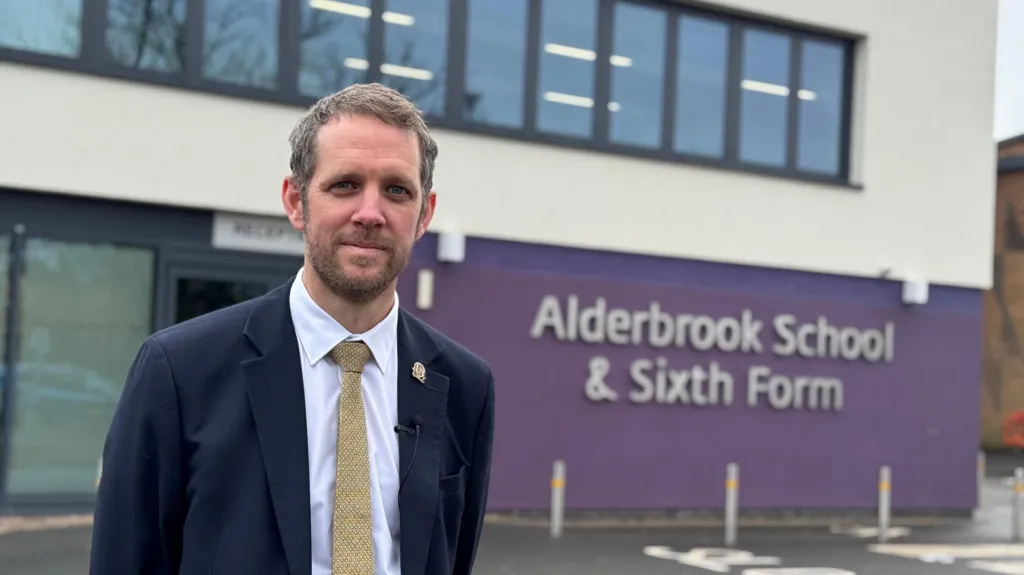
According to Head Teacher Tom Beveridge, the new policy has led to a decrease in online bullying incidents and improved student focus in class, as evidenced by anecdotal reports.
Beveridge is among the advocates calling for a nationwide ban on smartphones in schools and social media for individuals under 16, an issue currently being considered by the government as part of a UK-wide consultation.
Many students at Alderbrook are already experiencing the benefits of limited device access.
Year 8 student Youssef noted that securing his phone in a locker has alleviated concerns about potential theft, significantly reducing his stress levels.
Megan, a Year 7 student, reported a substantial decrease in screen time, from two hours daily to just 16 minutes, since participating in the phone storage program.
She added that this experience has also led to a decrease in her attachment to her device at home, as she no longer feels the need to constantly check it.
While the phone storage initiative has had a significant impact, its implementation does require a notable allocation of time during the school day.
Each morning, students from Years 7 and 8 must queue to deposit their devices into secure storage lockers before classes commence.
A team of teachers oversees the lockers, ensuring they are safely stored until the end of the day, when the phones are returned to the students.
This process is one of the reasons Beveridge believes a government-mandated ban on smartphones in schools would be beneficial.
He stated that such a ban would "free up a huge amount of time" currently spent on implementing and enforcing phone policies, allowing school leaders to focus on other priorities.
Following an update to guidance by Education Secretary Bridget Phillipson in January, which recommended that schools maintain a phone-free environment, momentum has been building in support of a ban, with the House of Lords recently backing the measure.
In addition to the restrictions on younger pupils, Alderbrook has also prohibited sixth-formers from using their smartphones during independent study periods.
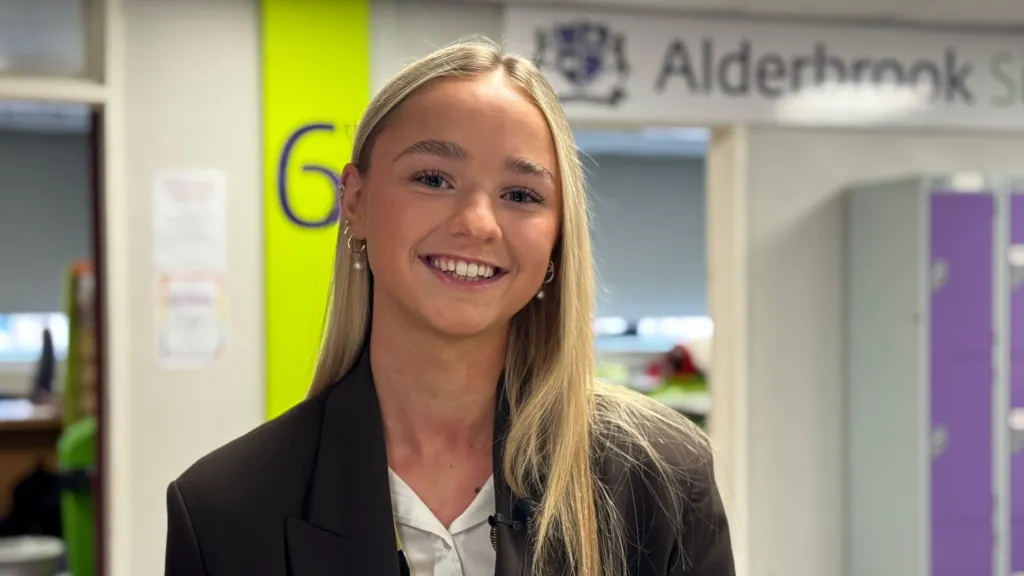
This decision was made after school administrators observed that many students were spending their study time scrolling through social media instead of focusing on their work.
According to Beveridge, removing this distraction has resulted in a more focused learning environment.
Year 13 student Breshna reported that, prior to the ban, she felt a constant urge to check her phone, but is now better able to concentrate on her A-Level studies.
Another sixth-form student, Jasmine, noted that the absence of phones has facilitated the development of stronger friendships among her peers.
While many students support the idea of a phone ban in schools, opinions are divided on the proposal for an Australian-style social media ban for under-16s.
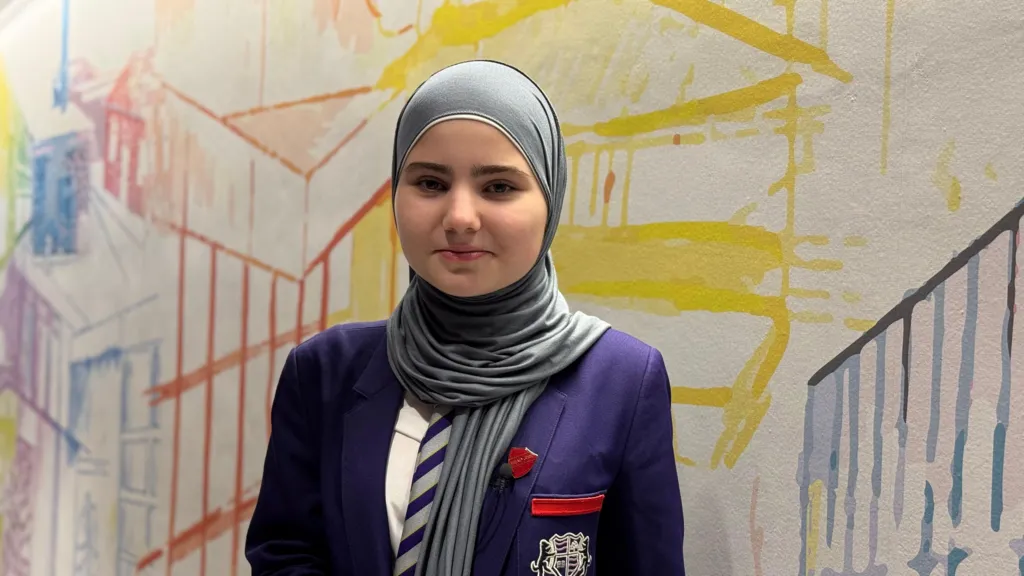
Some students, such as Year 11 pupil Emilie, believe that social media can have positive effects when used responsibly, providing a means of self-expression and communication.
Jamila, another Year 11 student, suggested that implementing restrictions rather than a complete ban might be a more effective approach, as prohibitions can sometimes have unintended consequences.
As the government considers its next steps, Beveridge plans to maintain a strict stance on phone use within the school.
Beginning in September, Year 7 students will no longer be permitted to bring smartphones to school.
Beveridge announced that, going forward, any phones allowed in school will be limited to basic "brick" phones, with this policy set to be phased in across the school over the next few years.
Education
Schools advised to inform most parents if children express gender identity doubts
Educational administrators have expressed appreciation for the increased clarity provided on addressing a highly divisive matter that affects both students and parents.
New government guidelines for schools in England emphasize the importance of parental involvement in cases where a child is questioning their gender identity, stating that parents should be included in the "vast majority" of such situations.

The guidelines, which are legally binding for all schools in England, also clarify that single-sex facilities, including toilets, changing rooms, and sports teams, will remain protected, with no exceptions allowed.
However, schools are given some flexibility in addressing issues related to students' names and uniforms, allowing for a more nuanced approach to these matters.
Dr. Hilary Cass, the author of the influential Cass Review, has expressed support for the new guidelines, describing them as "a significant step forward" in addressing the needs of students and schools.
The Cass Review, published in 2024, was commissioned by NHS England in response to a surge in referrals for individuals questioning their gender identity, and its findings have informed the development of the new guidelines.
The review highlighted the limited evidence available on medical interventions for gender care, noting that the current research is "remarkably weak" and that more studies are needed to inform best practices.
Dr. Cass has praised the new guidelines for providing "practical and clear guidance" that reflects the recommendations of her review, enabling schools to support students with confidence and clarity.
A key aspect of the guidelines is the distinction they make between a student's wishes and their best interests, recognizing that these may not always align.
Schools are advised to exercise caution when considering social transition steps, such as changing a student's name or pronouns, and to consider the broader context and potential need for additional support.
The guidelines also acknowledge that while some students may explore different gender identities, the majority do not go on to fully transition as adults, and that this should be taken into account when supporting students.
For primary schools, the guidelines suggest that full social transitions will be rare, and that a more measured approach is typically more appropriate.
According to Dr. Cass, the guidelines convey a clear message that proceeding with social transition will be the exception rather than the rule, and that a more cautious approach is often warranted.
Dr. Cass has emphasized the importance of maintaining open communication between parents and students, noting that secrets can be detrimental to a child's well-being and that parental involvement is crucial.
Education Secretary Bridget Phillipson has welcomed the new guidelines, stating that they will provide "practical support" for teachers, reassurance for parents, and prioritize the safety and well-being of students.
The guidelines do not alter the existing admissions code for single-sex schools, which currently allows them to admit students based on their biological sex.
The updated guidance is part of a broader effort to keep students safe, and includes new advice on supporting students who are questioning their gender identity.
This update was first promised in 2018, but its release has been delayed until now, leaving head teachers to navigate this complex issue without clear guidance.
The delay has resulted in head teachers seeking external advice and implementing their own measures, such as introducing gender-neutral facilities, to address the needs of their students.
Some schools have also sought legal advice to ensure they are meeting their obligations and providing appropriate support for students.
The updated guidelines have been widely welcomed by head teachers' unions, who have expressed relief that clear guidance is now available.
Pepe Di'Iasio, general secretary of the Association of School and College Leaders, has praised schools for their efforts in addressing this issue despite the challenges posed by a "polarized public debate".
Paul Whiteman, general secretary of the National Association of Head Teachers, has noted that the guidelines will provide much-needed clarity on how schools can support students and manage this sensitive issue.
The previous government had released draft guidance in December 2023, which took a more restrictive approach to certain issues, including the use of alternative pronouns in primary schools.
However, the consultation on this draft guidance was interrupted by the general election in May 2024, which led to a change in government and a revised approach to the issue.
A new consultation on the updated guidance will be held over the next 10 weeks, providing an opportunity for stakeholders to provide feedback and input on the new guidelines.
-
 News9 hours ago
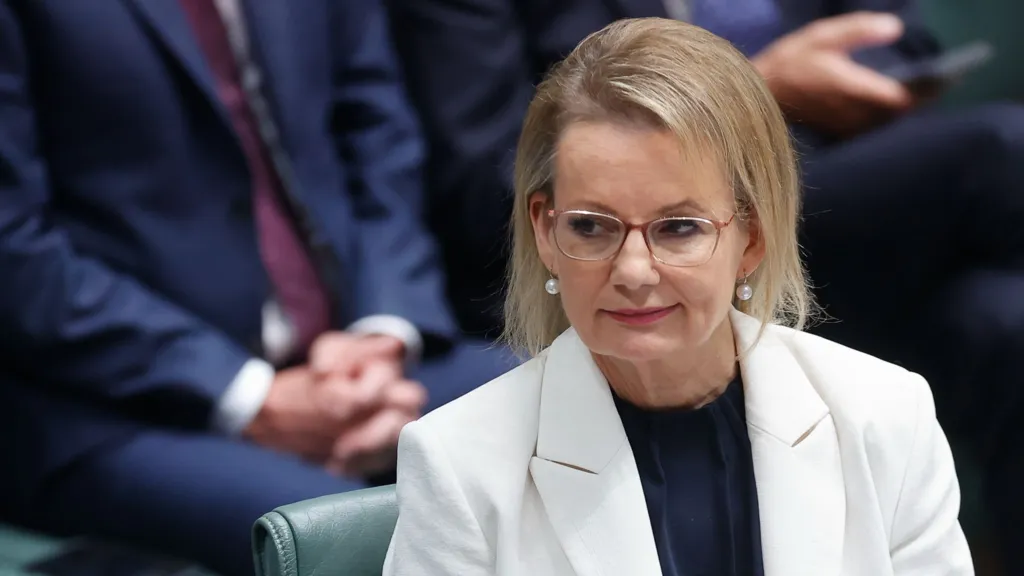
Australian Politics Faces Questions Over Gender Equality Amid Sussan Ley’s Appointment
-
 News6 hours ago
Farage Says Reform to Replace Traditional Tory Party
-
 News6 hours ago
Wrexham Pair Seek Win Against Former Team Ipswich
-
 News11 hours ago
Liberal Party Removes Australia’s First Female Leader
-
 News9 hours ago
UK Braces for Cold Snap with Snow and Ice Alerts Expected
-
 News6 hours ago
Husband’s alleged £600k theft for sex and antiques blamed on drug side effects
-
 News2 days ago
Sunbed ads spreading harmful misinformation to young people
-
 Business11 hours ago
BBC Reporter Exposed to Cyber Attack Due to Vulnerabilities in AI Coding Tool